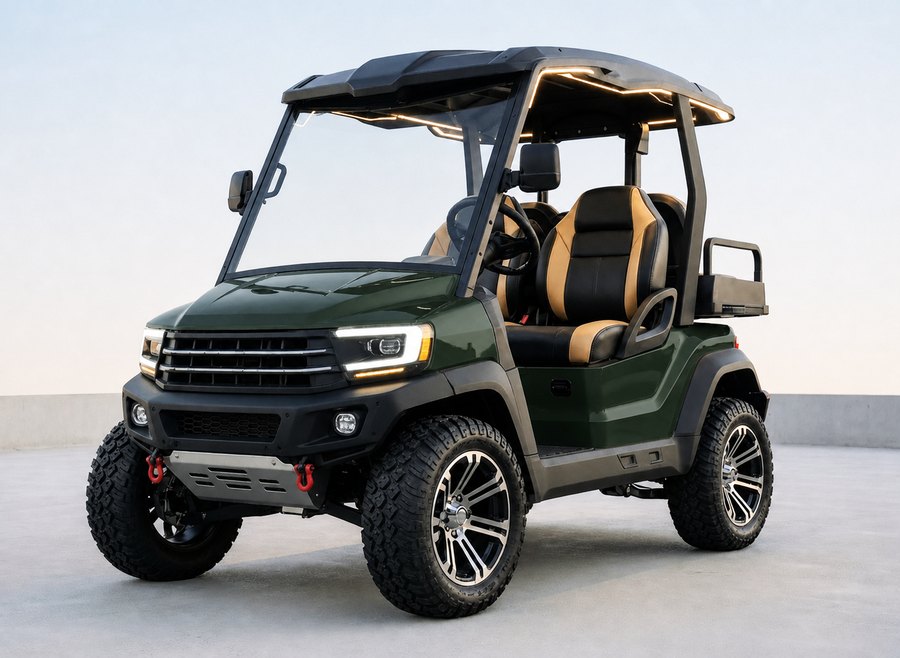
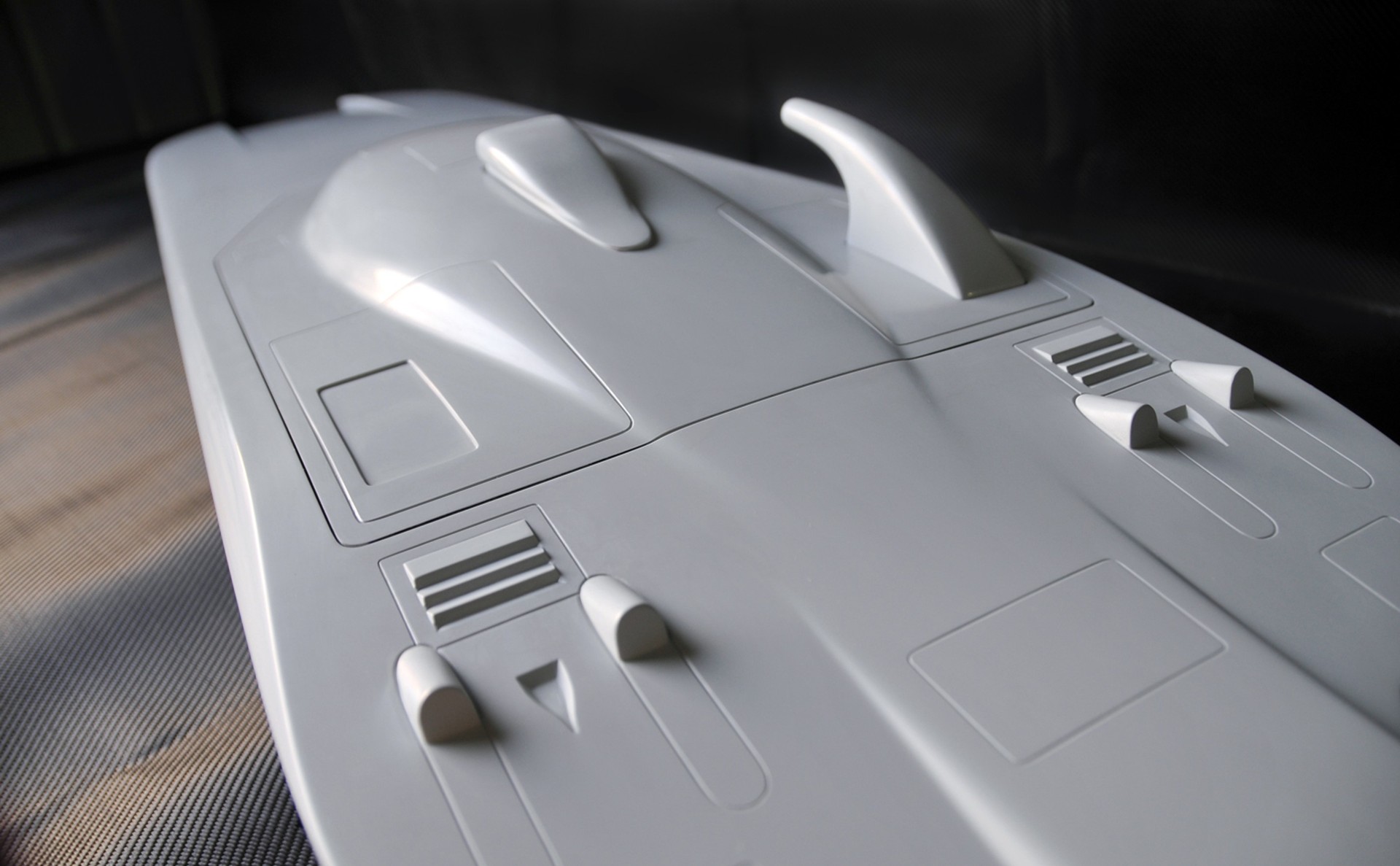
Golf & Mobility is a Korean team building golf carts the way they should be built. How it's made is why it looks this way. Our first is KALIBER, engineered in Korea for the United States.
G&M has no legacy and no factory floor of its own. What it has is four people who have each already done the hard thing once, and a way of working that makes them one engineering system, not four resumes. This team has worked together since 2019: three of them building NUMO, its racing brand SLACK, and then KMC, with the fourth backing them on capital and governance from the start. G&M turns that history toward America.

A partner to this team since the NUMO days, backing its fundraising and governance from the outside. Now inside: capital strategy, governance, investor relations. The discipline that keeps a small company investable.

From Samsung Electronics mechanical design to co-founder and CEO of NUMO. The modular platform he engineered there, patented years before KALIBER, is the direct ancestor of CHASSIX.

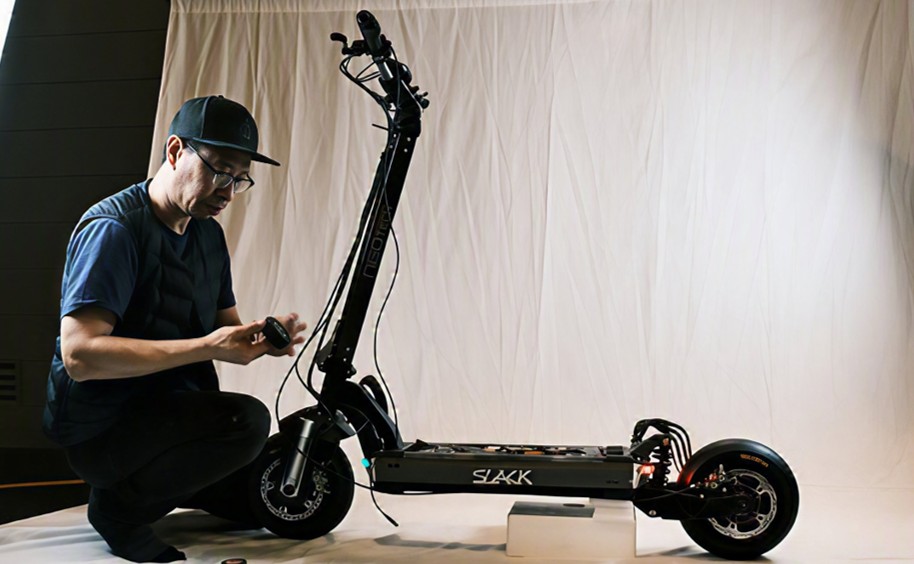
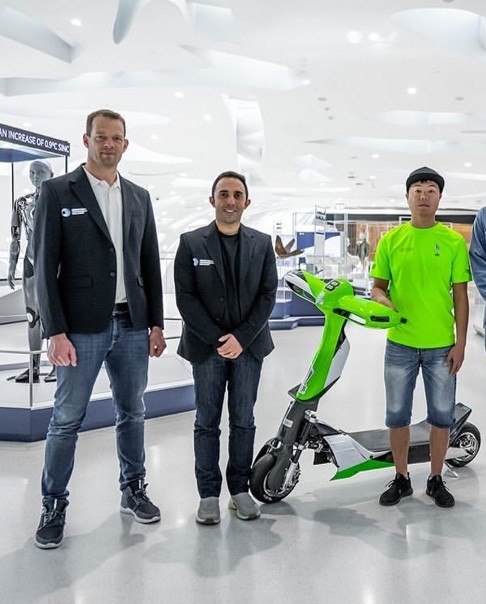
Founded NUMO. Led the powertrain and electronics of a 150 km/h production two-wheeler, and built the control stack in house: controllers, BMS, chargers, five patents. Ran the race projects behind the Dubai Cup.
Supply chain at 17,000 vehicles a year with a 2022 $20M export award. MES smart factory discipline, ISO 9001 and 14001, and parts SCM for an AI caddie robot.
The team set out to build electric two-wheelers the way cars are built.
David Chang founded it and led the powertrain and electronics. Yongwook Jang, from Samsung Electronics mechanical design, engineered the modular ladder-frame platform and patented its architecture. Sungwoo Jeon backed the company's capital and governance from the outside.
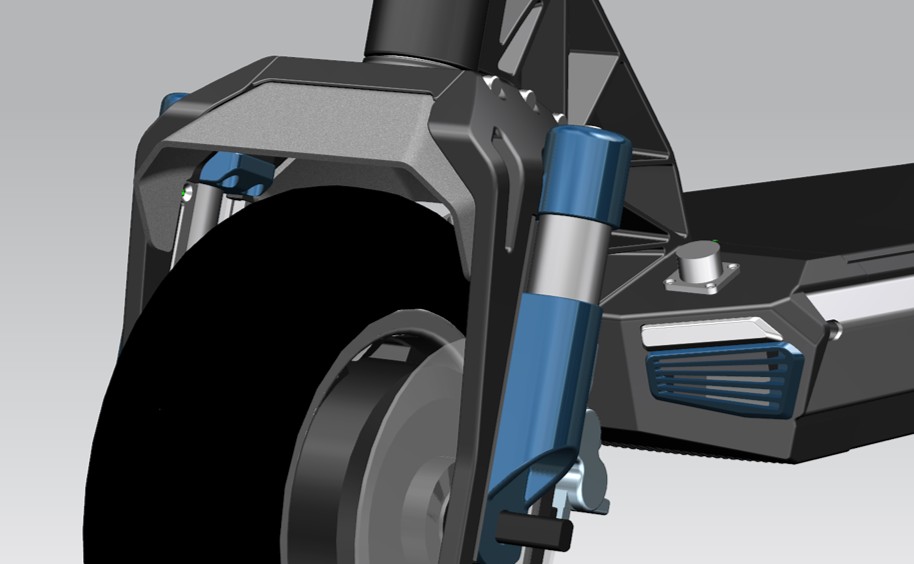
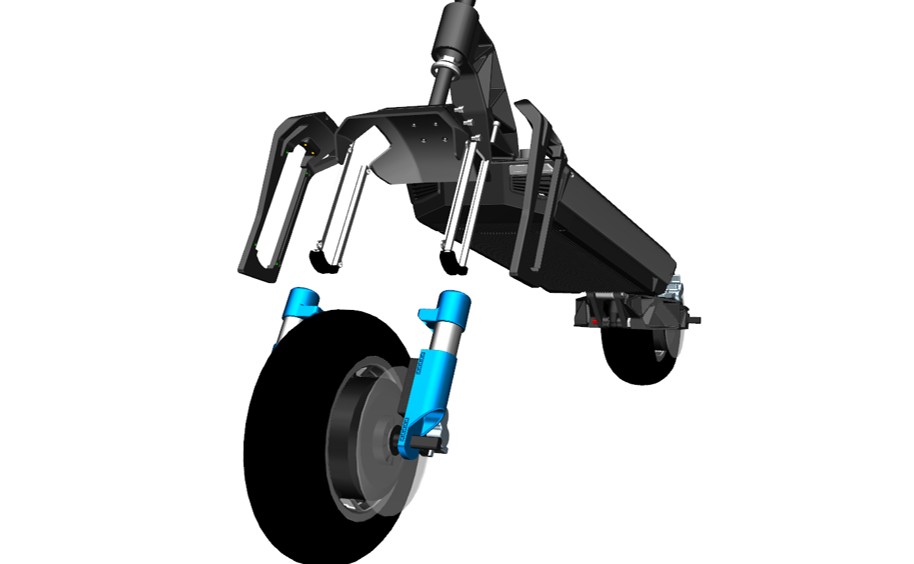
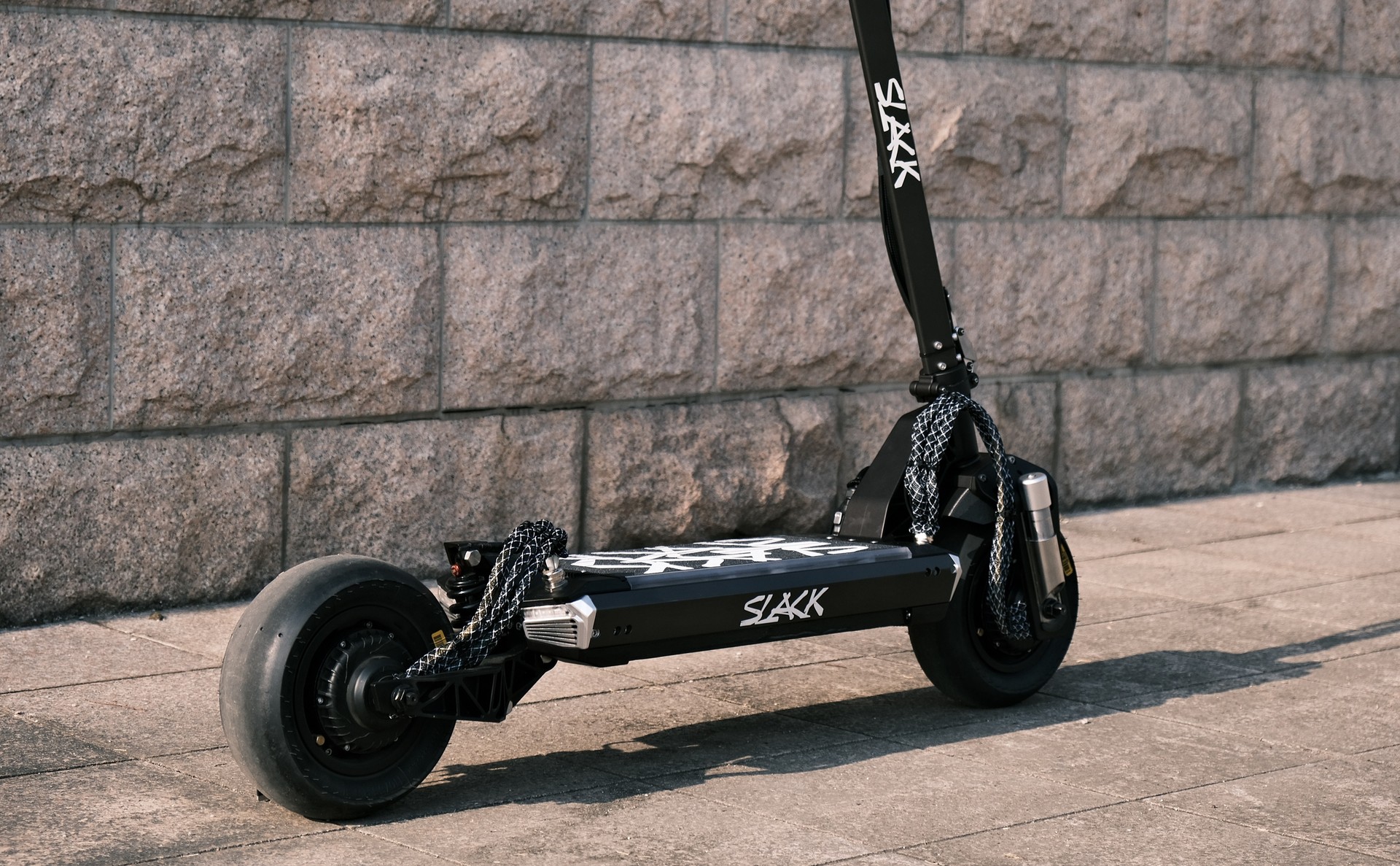
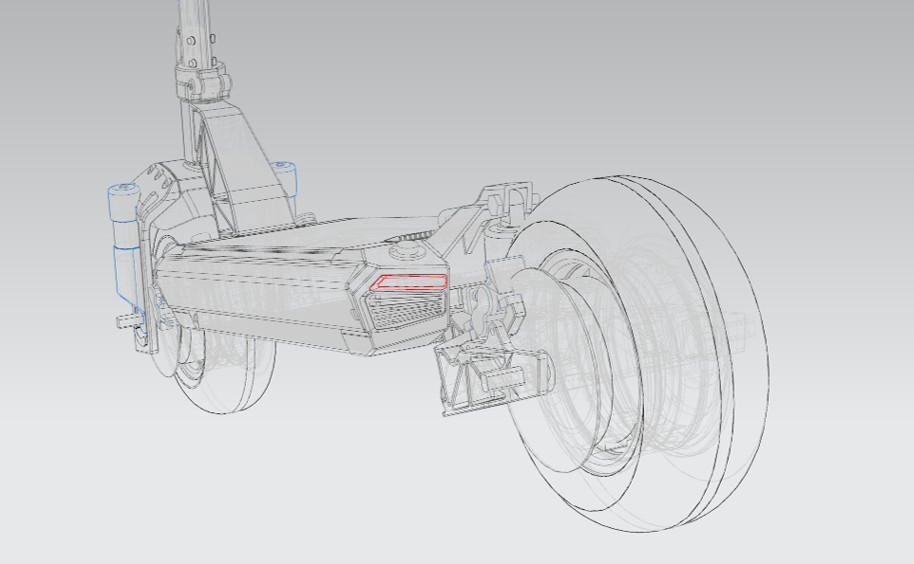
A patented modular platform, a Hyundai Mobis sample program, and a dealer network built from nothing. Out of this work came a powertrain capable of 150 km/h.
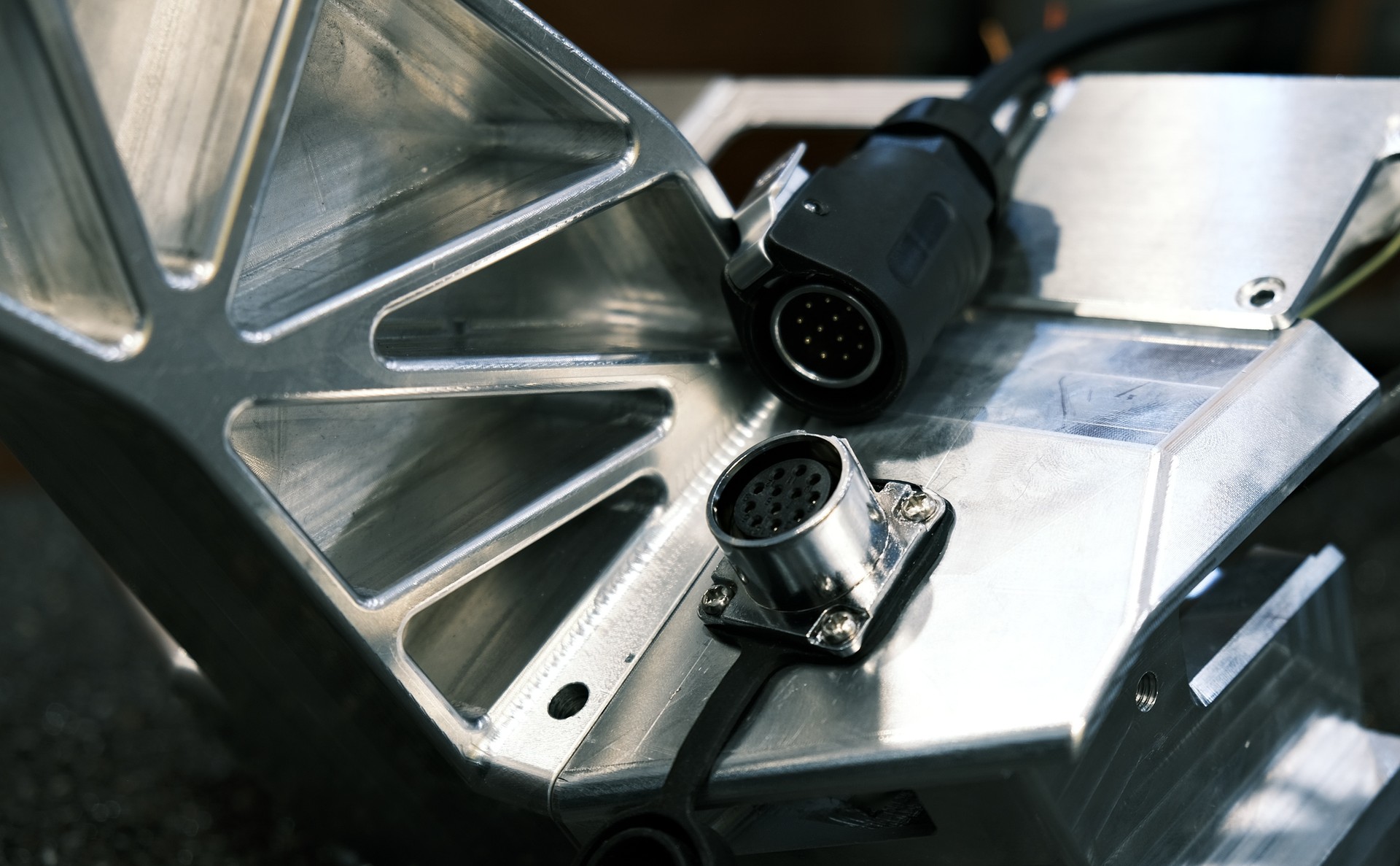
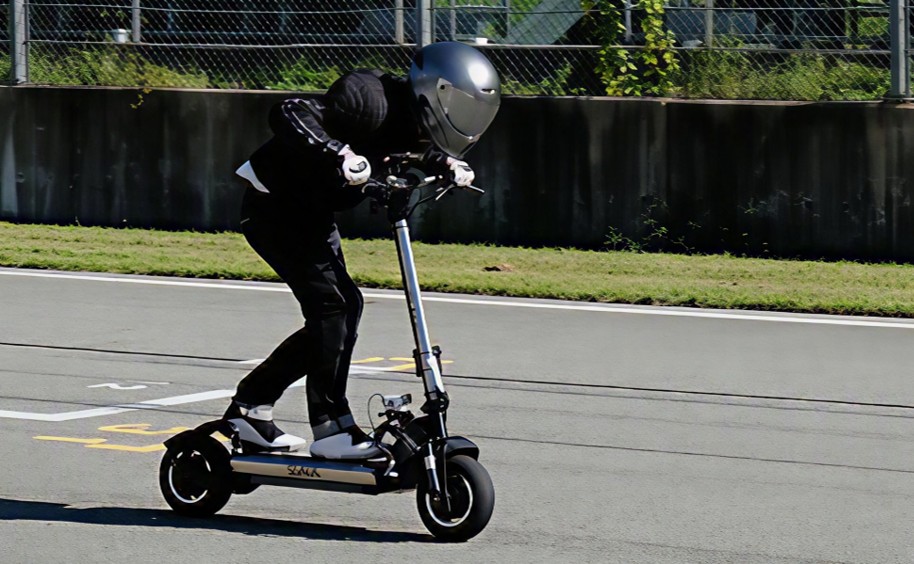
A production two-wheeler built to be the fastest of its kind.
David Chang led the powertrain end to end, and the in-house control stack (controllers, BMS, chargers) came out of the same effort.
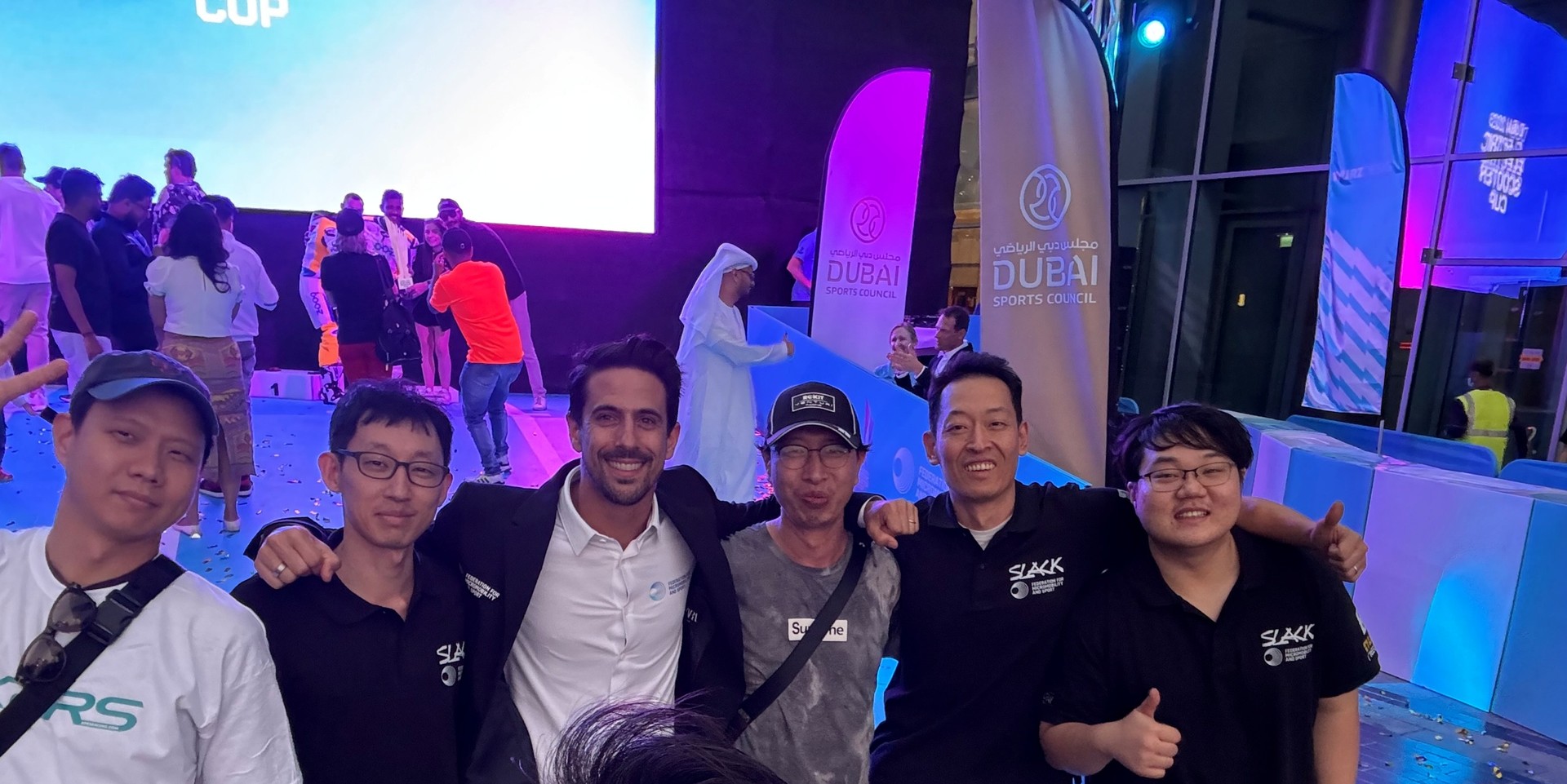
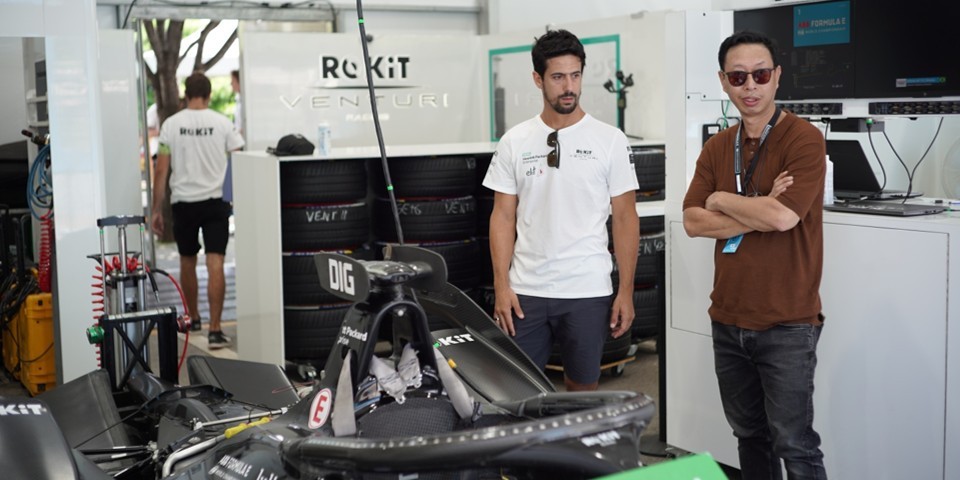
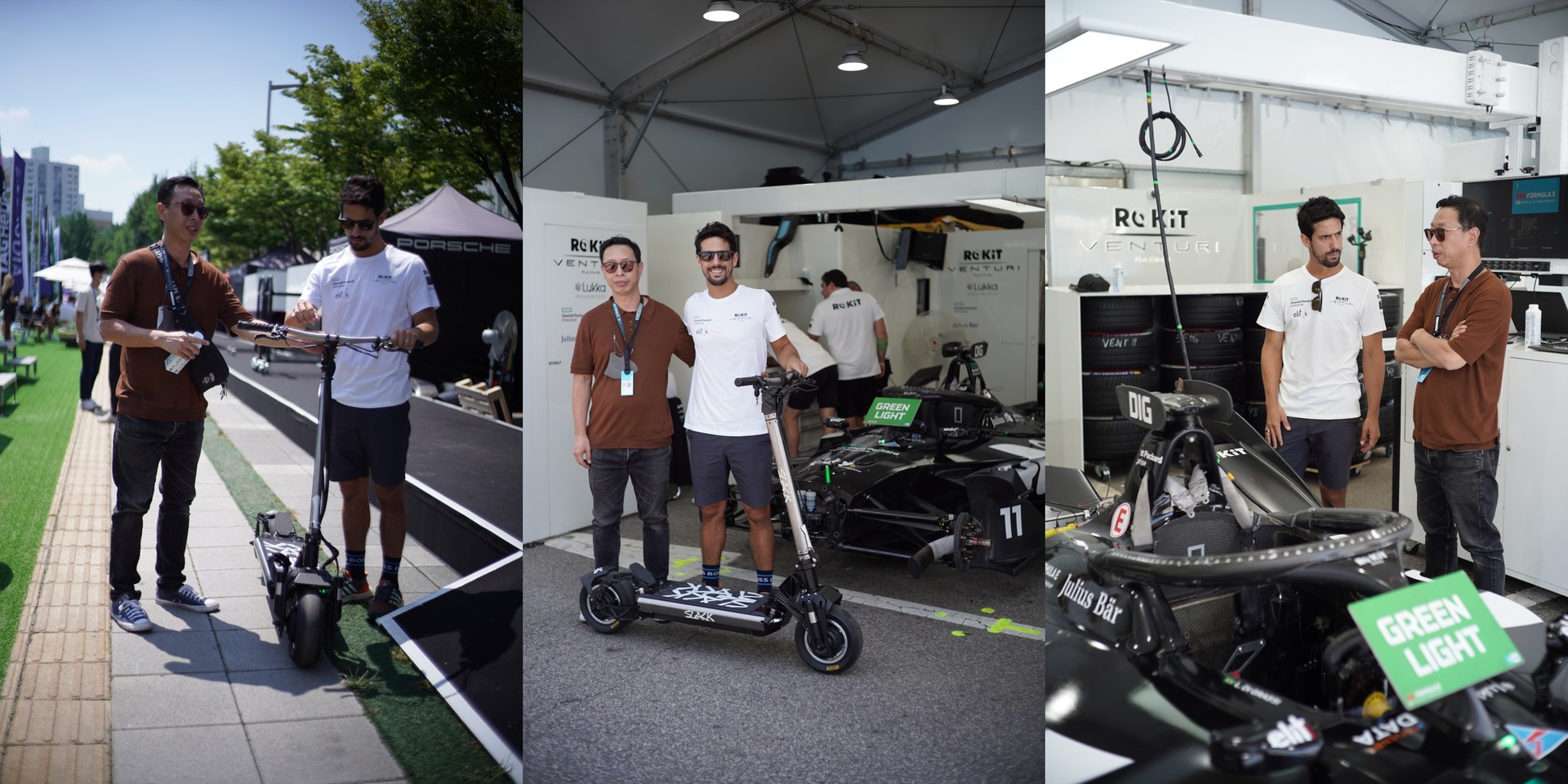
150 km/h in the team’s own testing, and reviewers call it the fastest production e-scooter in the world. Tested against a championship machine built on a Williams battery and BMS and a YCOM frame, and judged the better ride. Formula E champion Lucas di Grassi has ridden it. That ride opened the next door.
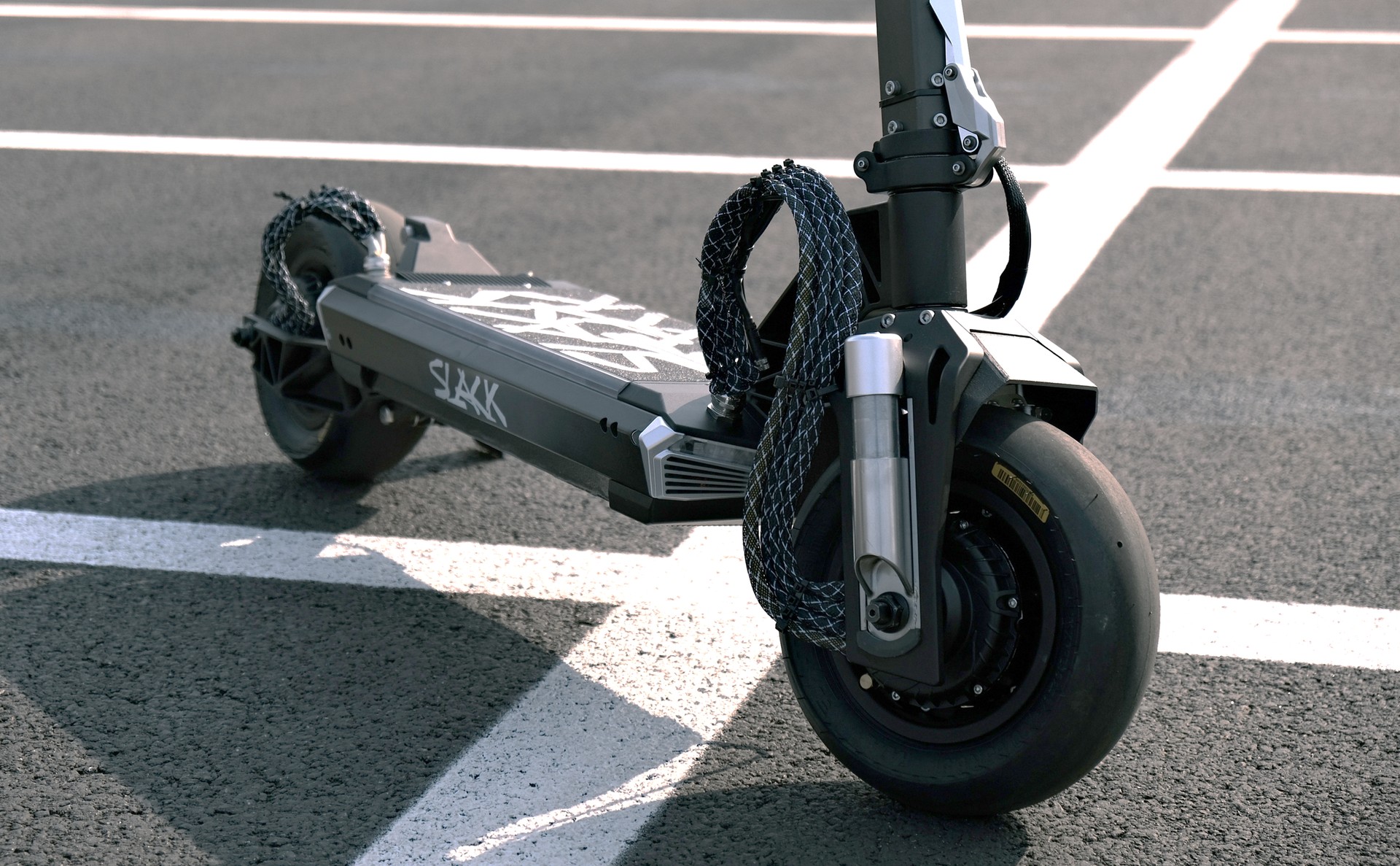
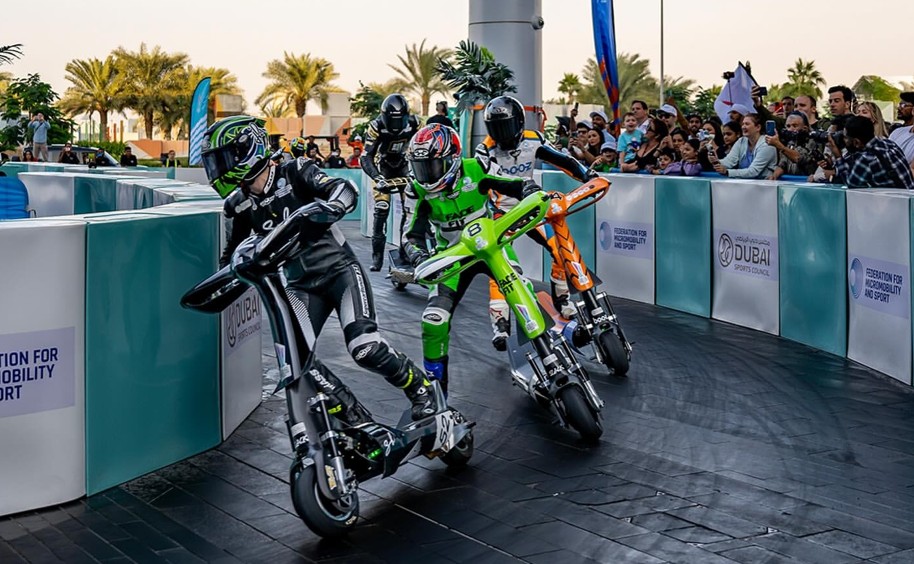
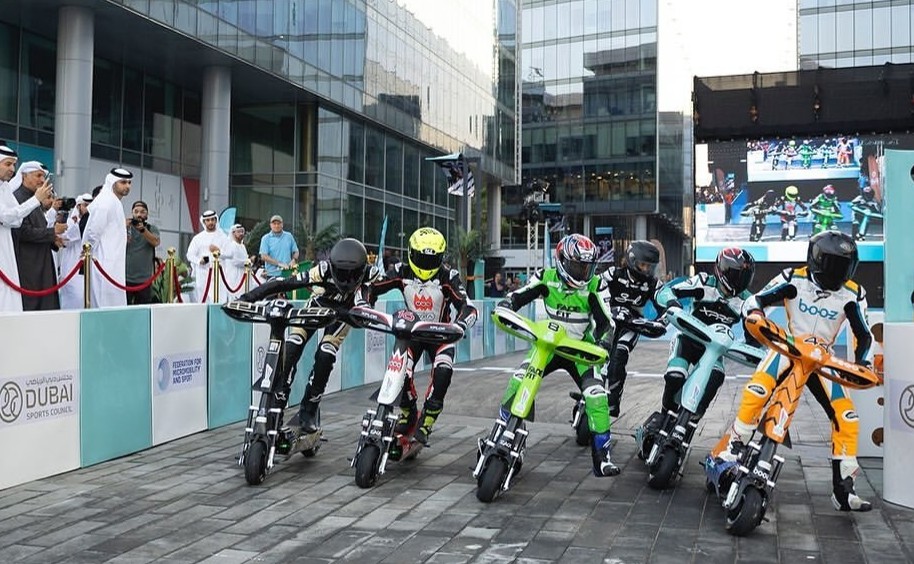
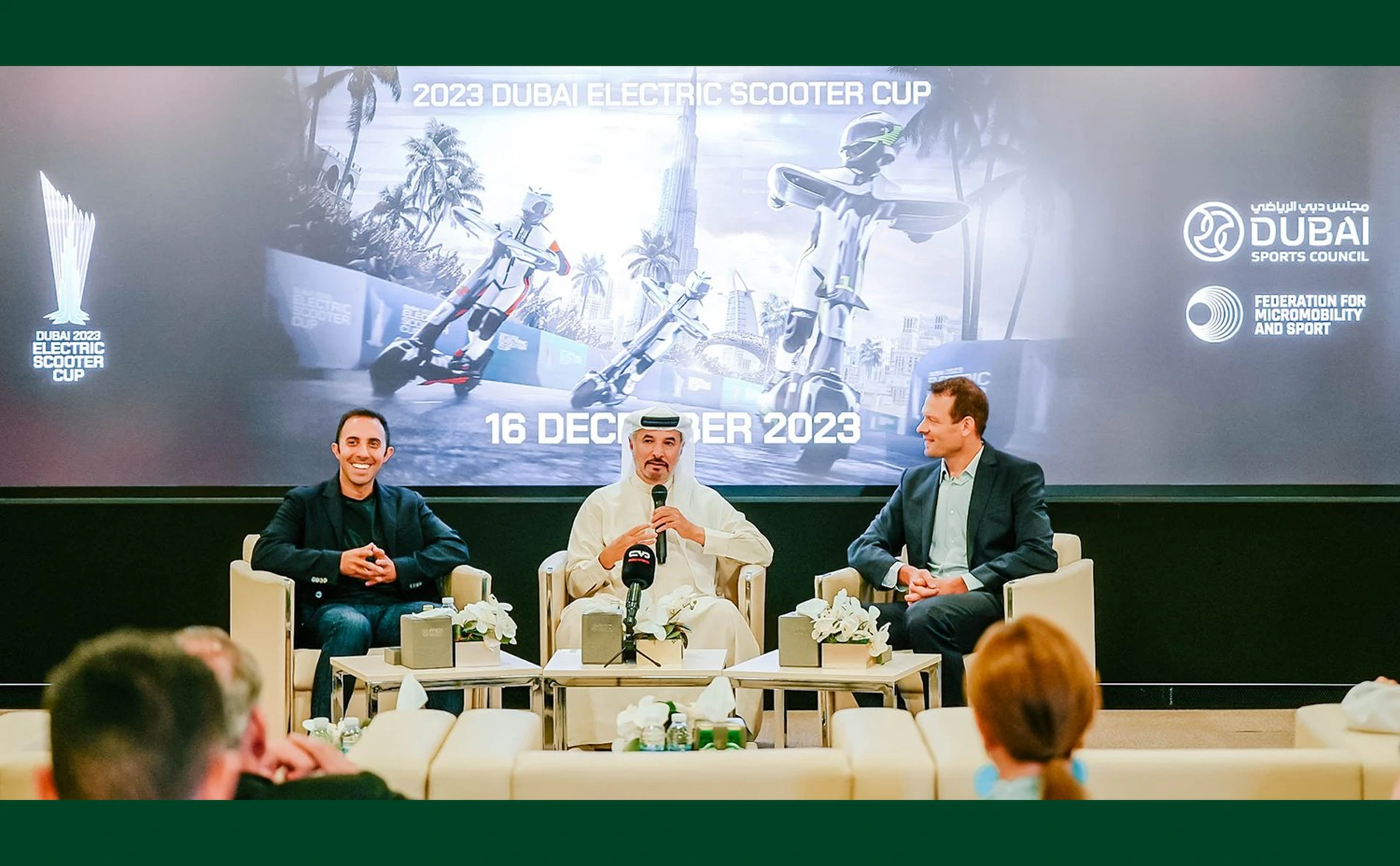
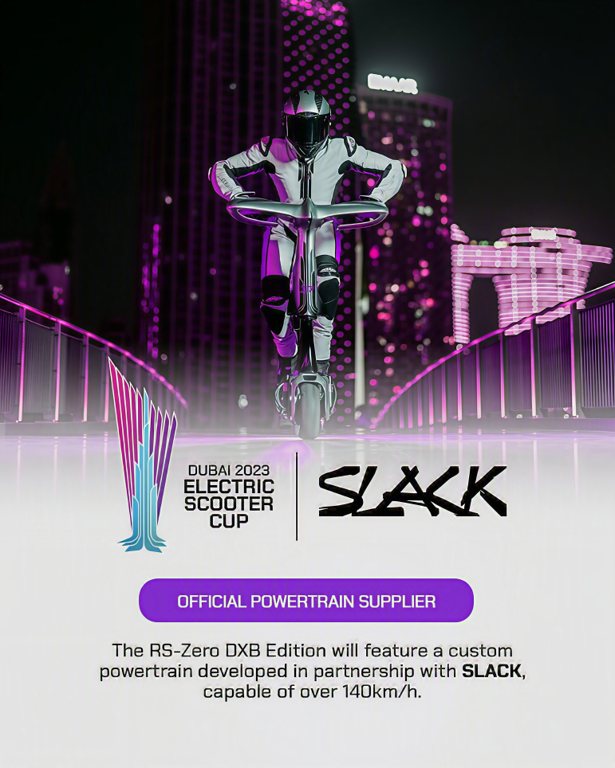
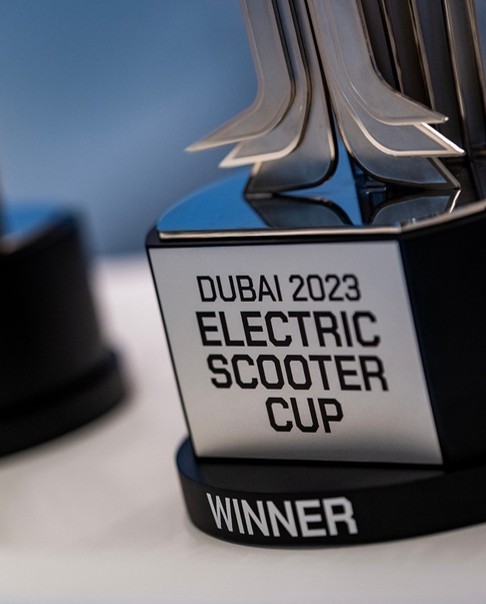
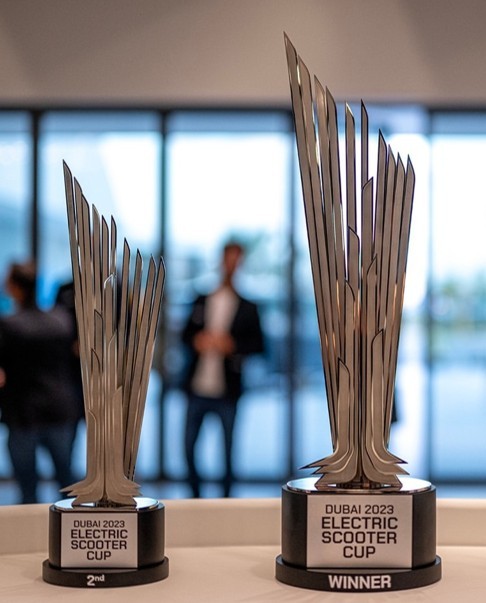
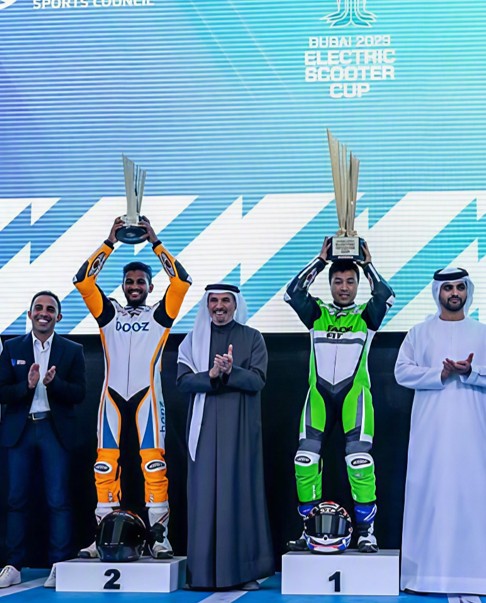
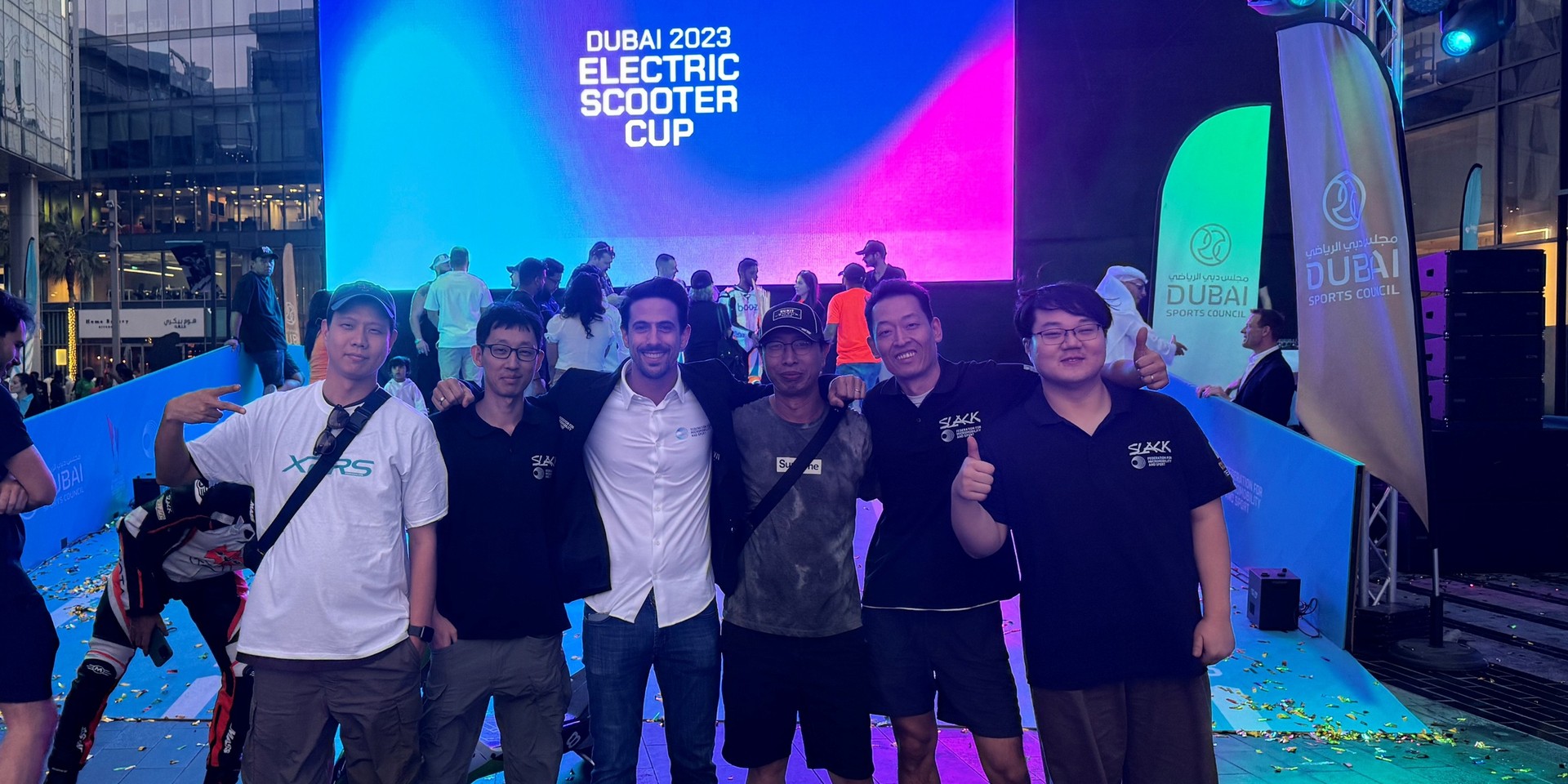
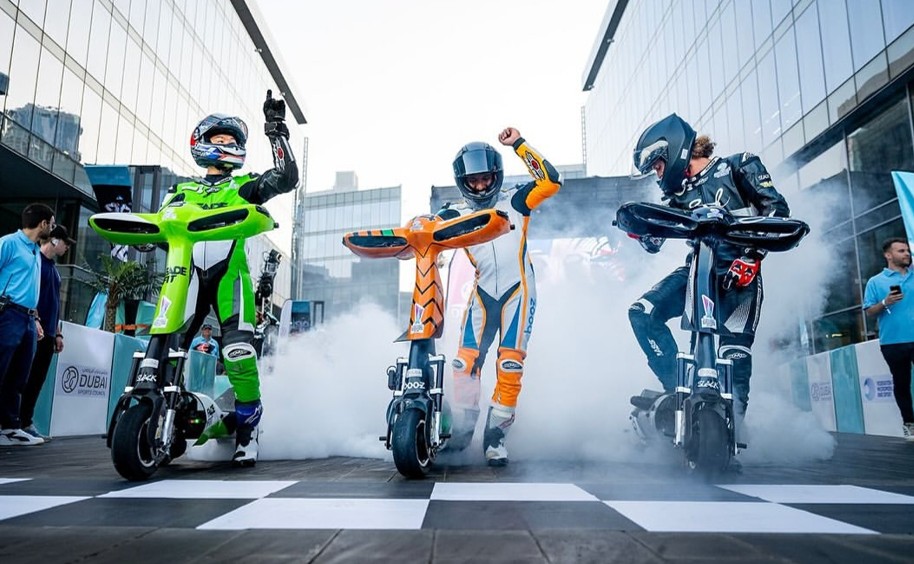
The Dubai Electric Scooter Cup, staged by the Dubai Sports Council and the Federation for Micromobility and Sport.
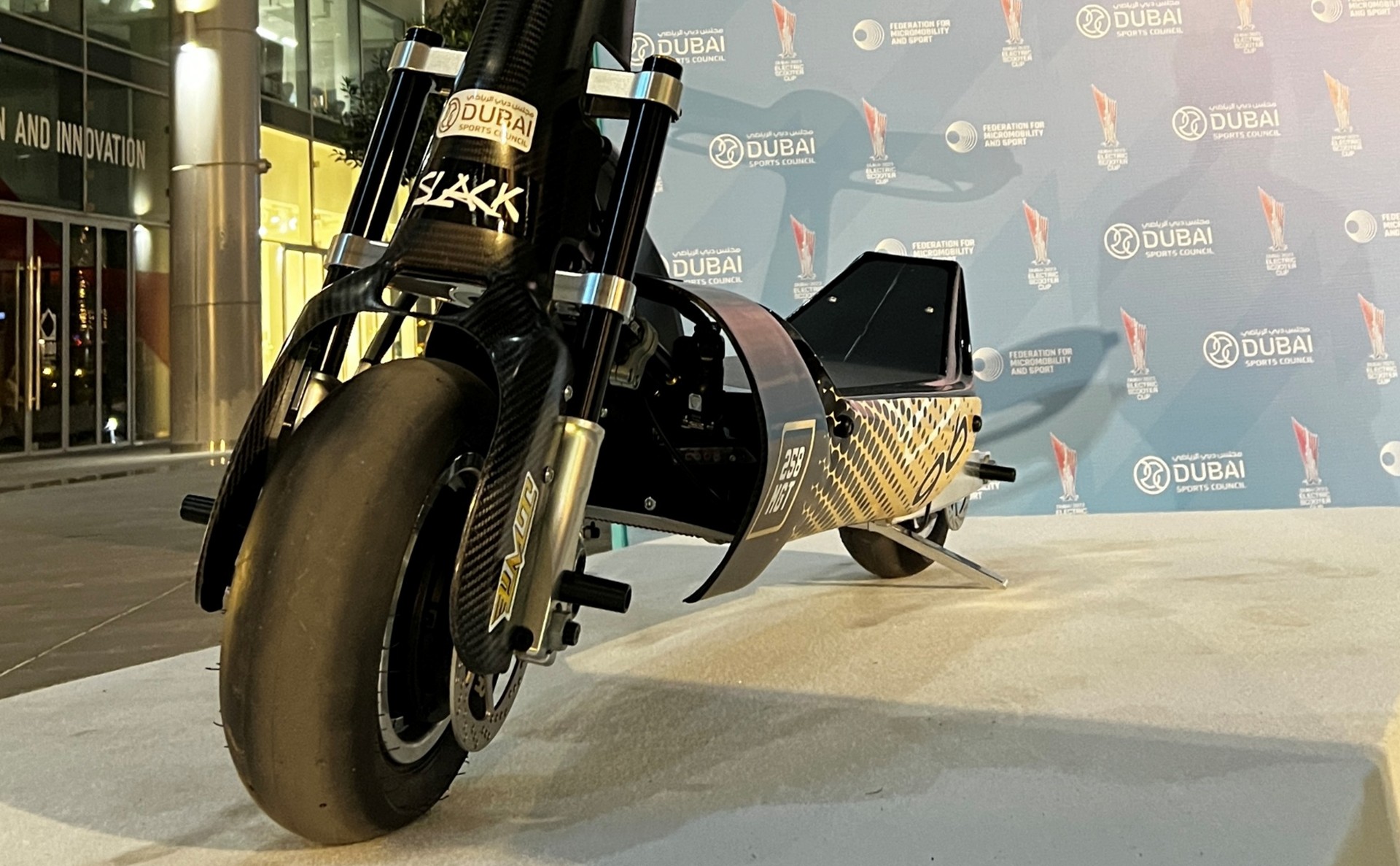
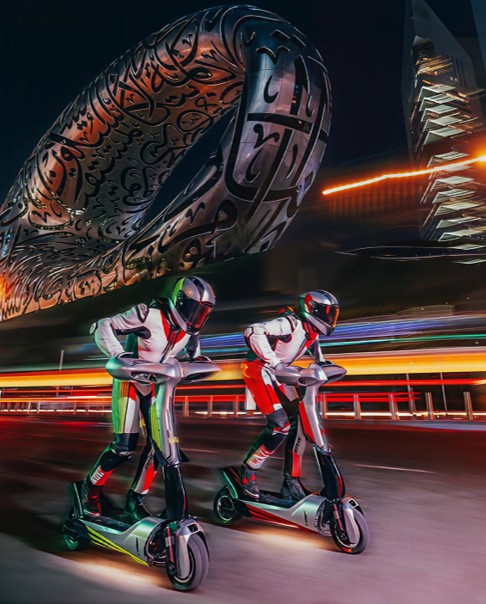
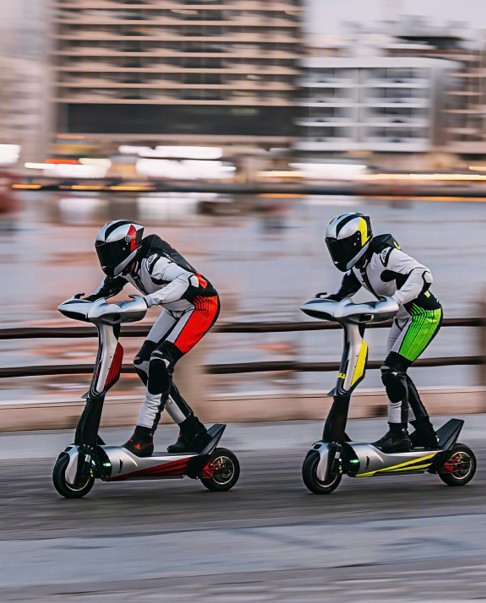
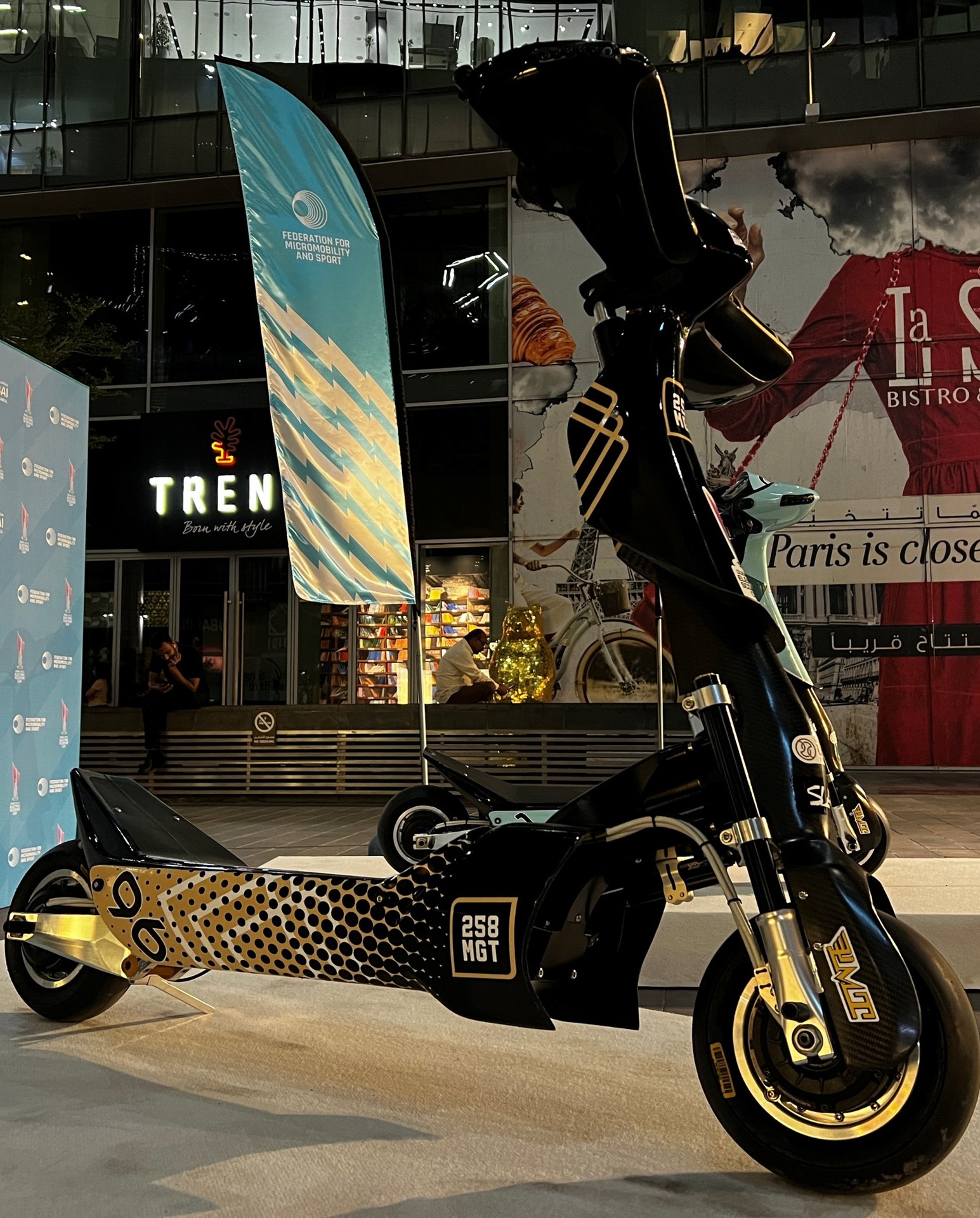
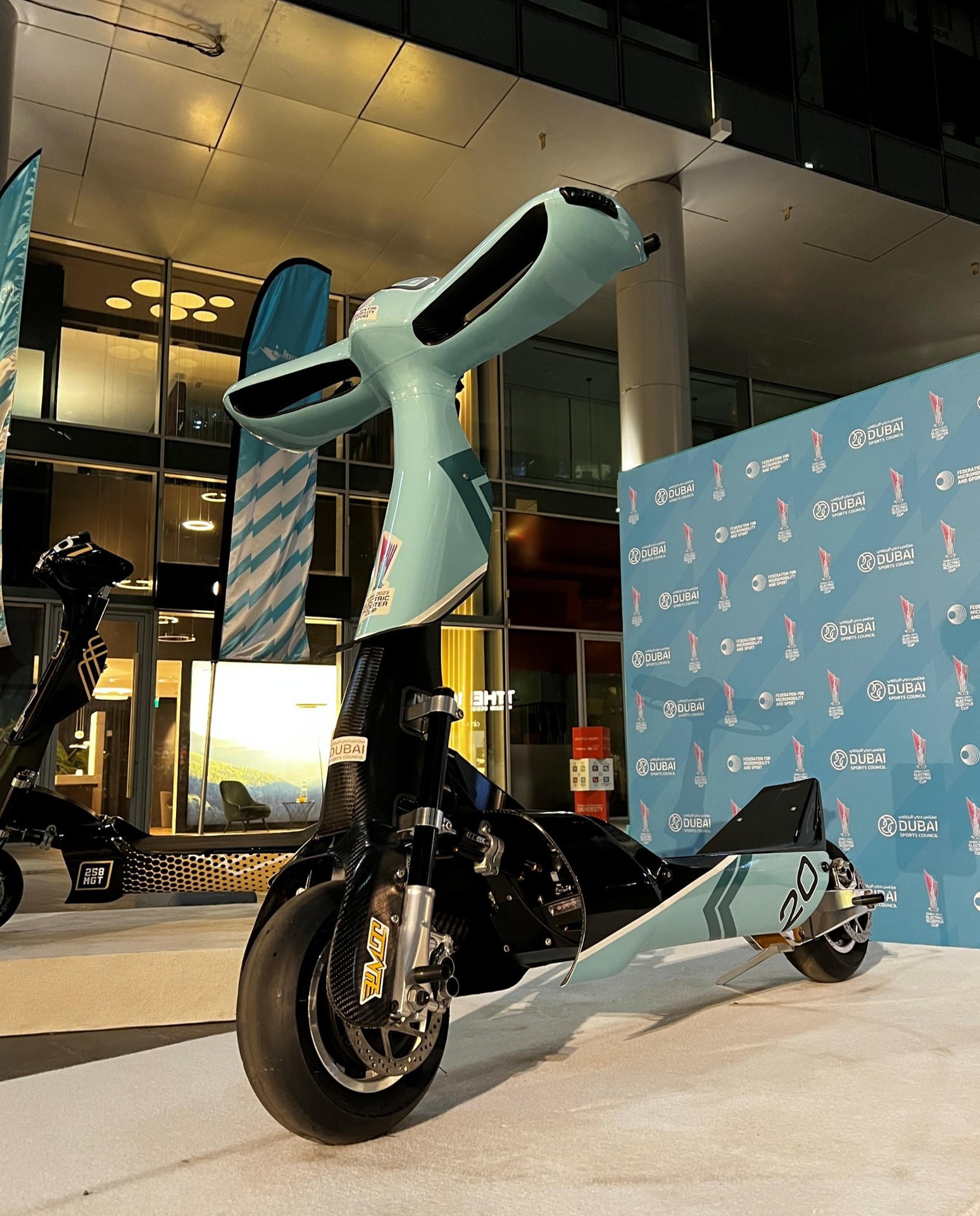
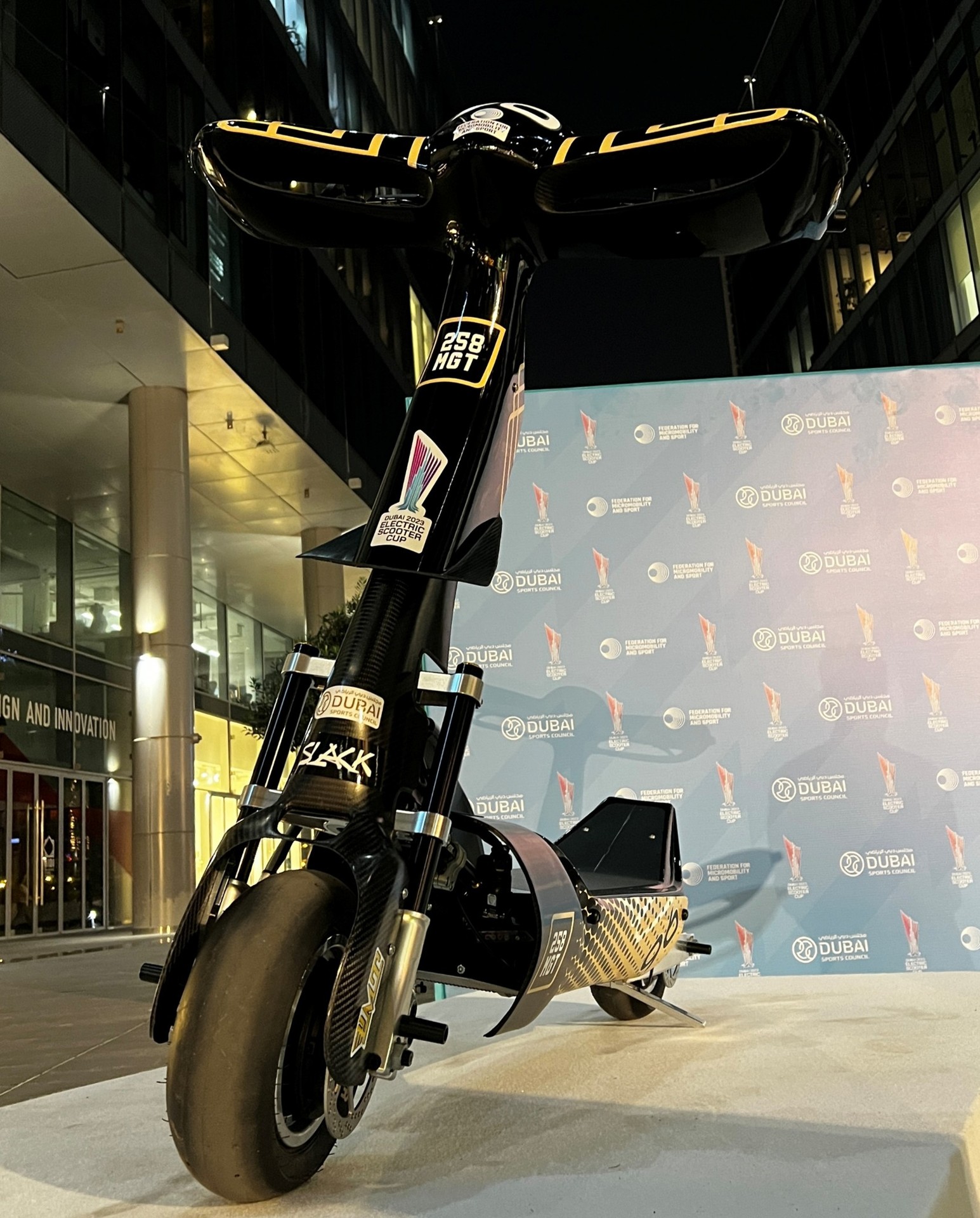
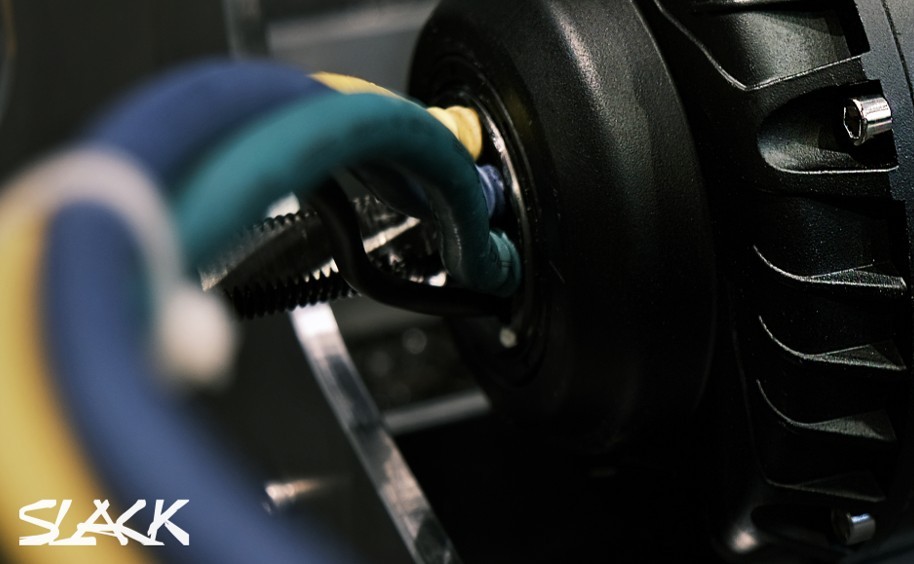
Through di Grassi came the Federation, and with it a commission: build the race machines themselves. The team wrapped the 920R's frame and powertrain in carbon aero bodywork to create the RS-Zero DXB, and supplied every machine on the grid under its race brand SLACK. David Chang led the race powertrain program; Eugene Lee ran product supply and technical support on the ground.
A one-make race above 100 km/h through Downtown Dubai, where every machine on the grid was the team's.
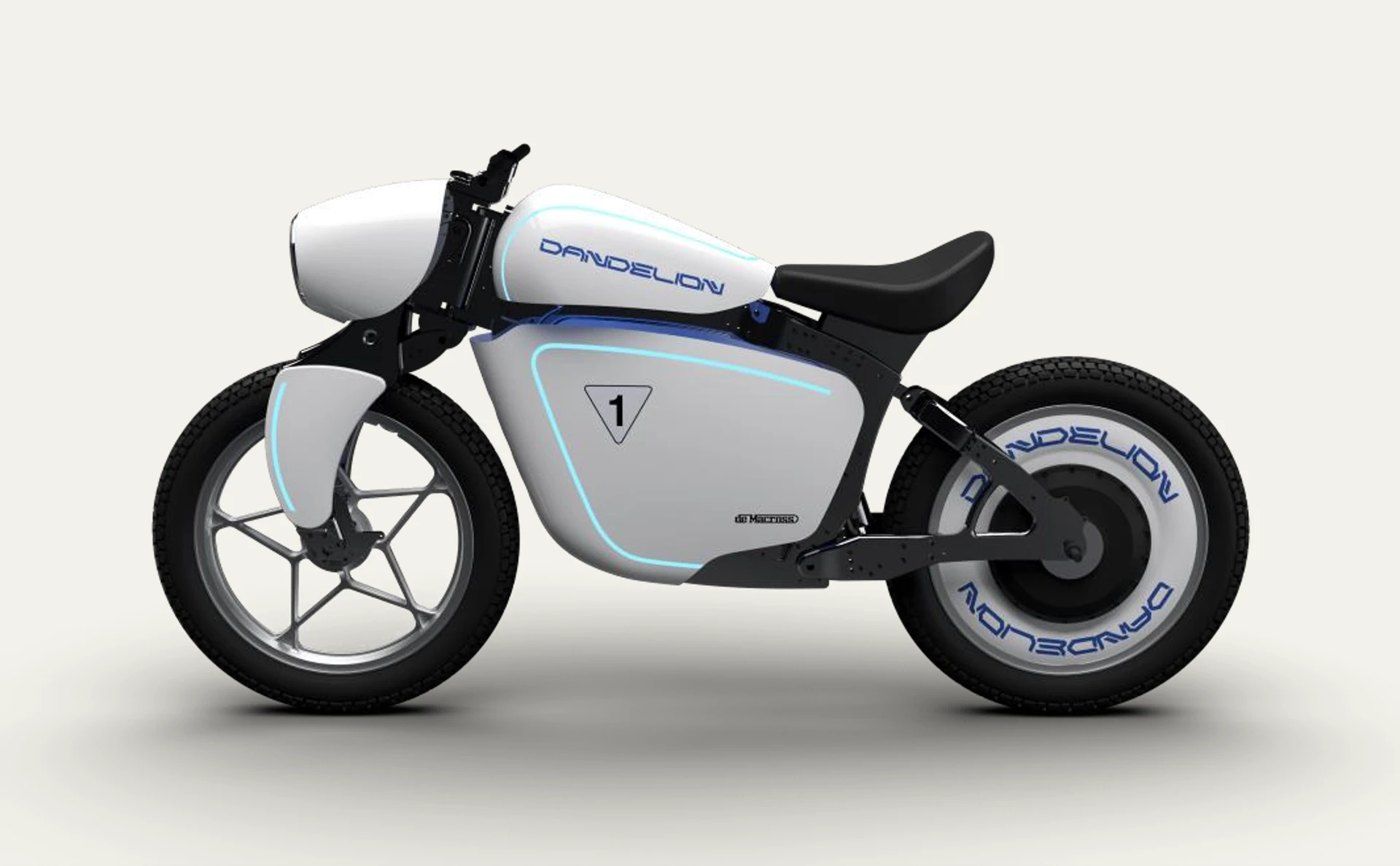
After Dubai, a designer-led studio arrived with its halo motorcycle: outsourced elsewhere, delivered unable to run.
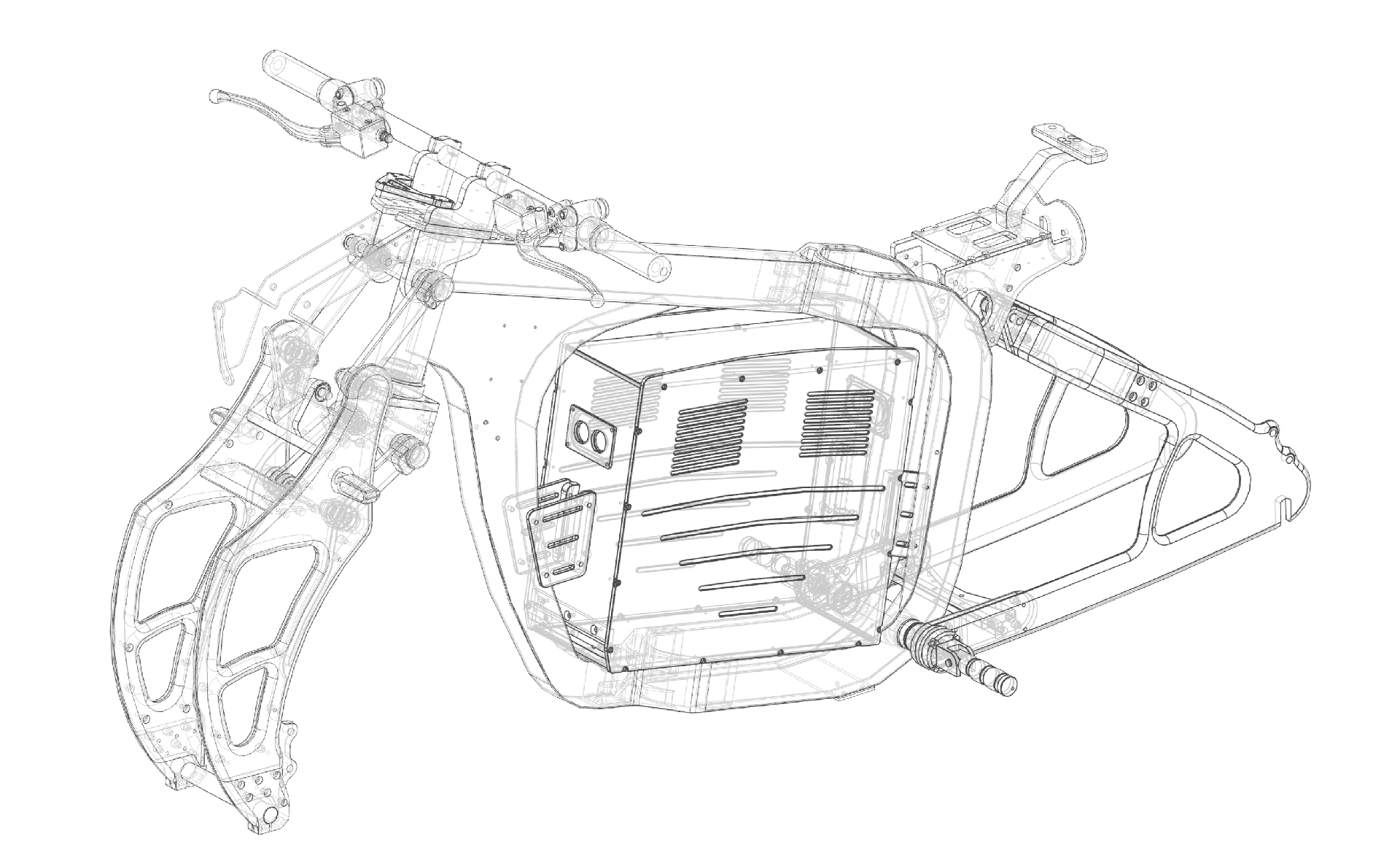
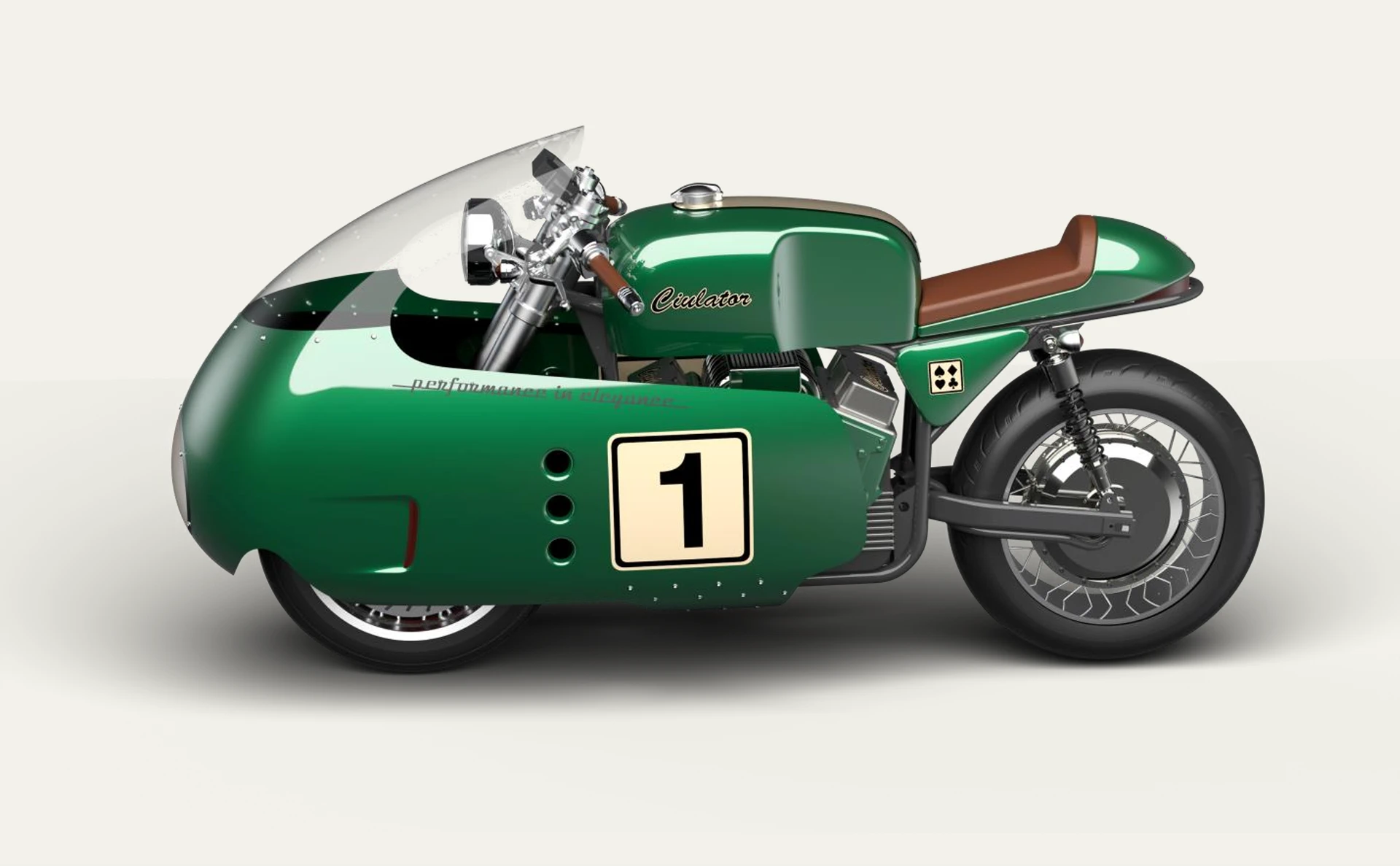
David Chang led the powertrain and electrical systems. Eugene Lee ran parts supply. The team made it run: the Ciulator, a cafe racer with 1960s lines and a 21st century drivetrain.
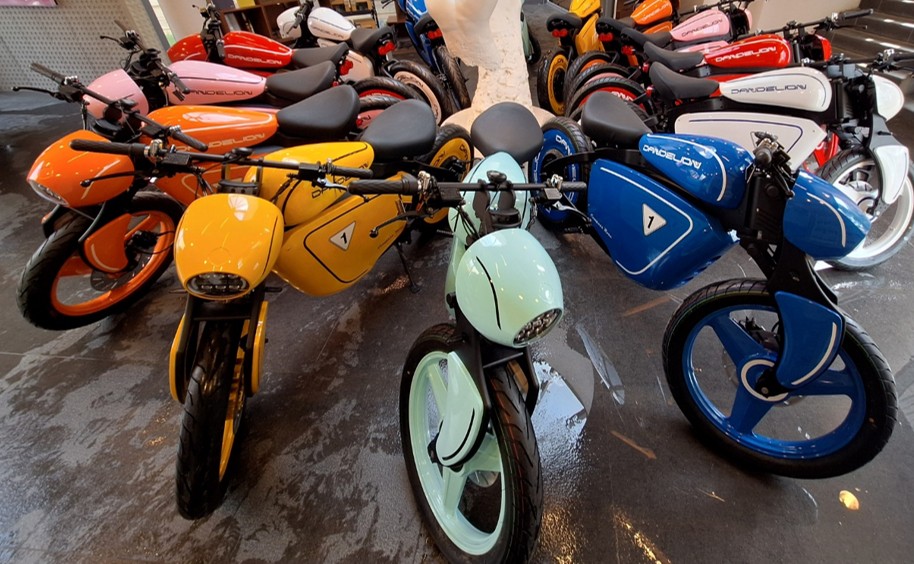
Revived as a machine capable of 160 km/h. The halo bike grew into full-size motorcycle development and the Dandelion program that followed.
The racing and engineering core became a manufacturer, KMC, in 2025. In 2026 the full four-discipline team came together as Golf & Mobility.
David Chang (CEO, KMC) and Eugene Lee (COO, KMC) built the production side. Yongwook Jang brought the CHASSIX platform. Sungwoo Jeon moved inside for capital and governance.
The same hands entered four wheels: powertrain and chassis developed in house, and tested. The first product: KALIBER.
Anyone can order a cart from a catalog. The capability that cannot be copied is judgment: knowing what a vehicle needs, and having already gathered the people in Korea who can build it to a car's standard.
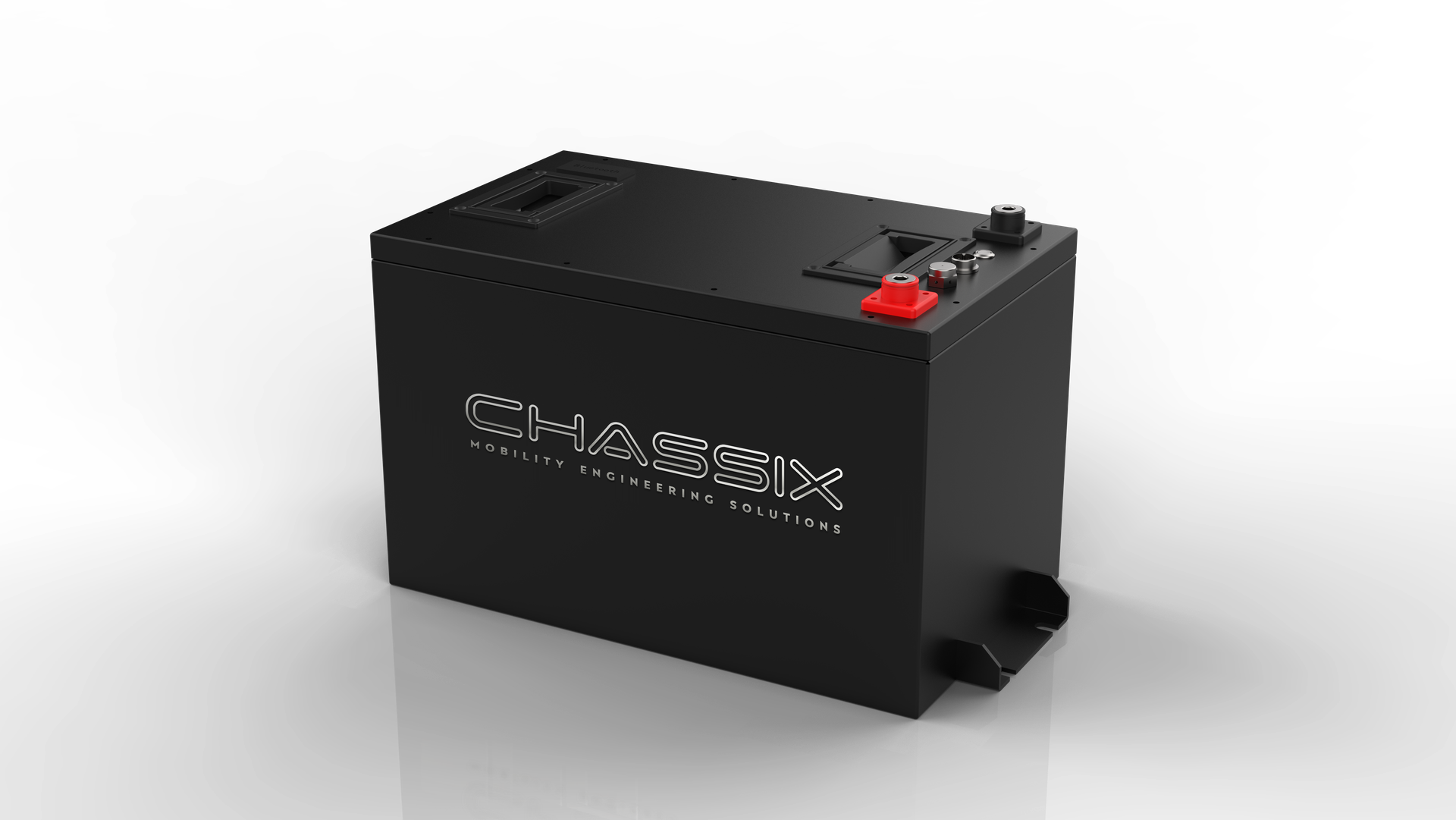
Korea's first domestic LFP cell maker, running the full process in house, from electrode slurry to finished pack. A water based process with no NMP and no PFAS, and a chemistry that does not run away. Mobility cells rated to five thousand charge cycles.KC 62619 · ISO 9001 · 150 MWh plant · 7 PhDs on a team of 35
The first Korean SME certified for functional safe BMS design, with battery management spanning 3V wearables to 800V vehicles, wireless monitoring, and AI based state prediction. The cart watches its own battery, and predicts how it ages.KC 62619 functional safety · supplies Hyundai and Mahindra · partners incl. Faurecia Clarion and Telechips
On board charging and power electronics engineered by a team from Samsung SDS, built to the standards American infrastructure already speaks. Mode 3 charging proven in Korea's regulatory sandbox, with DC fast charging on the road map.J1772 · OCPP · ISO 15118 · 7 patents
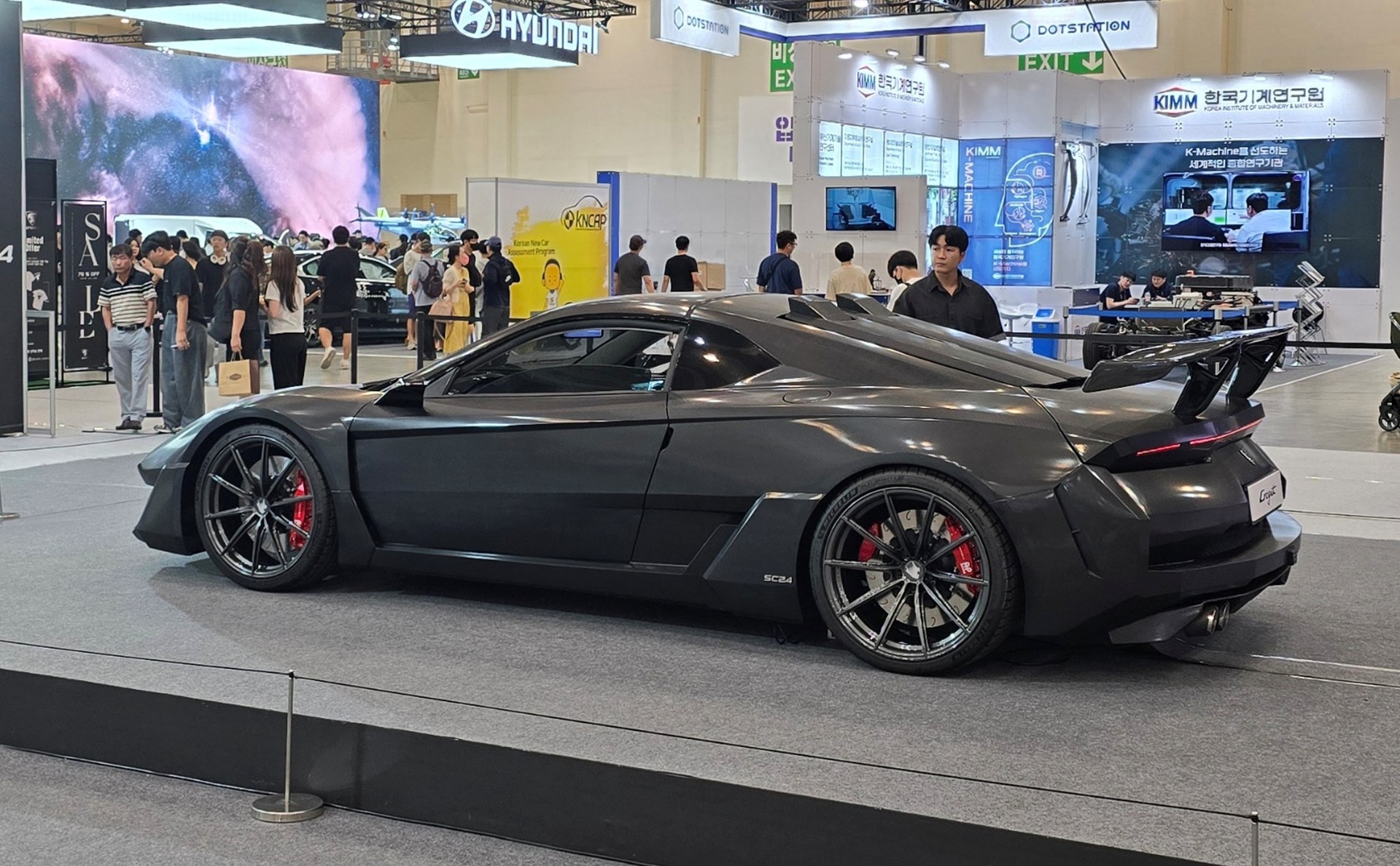
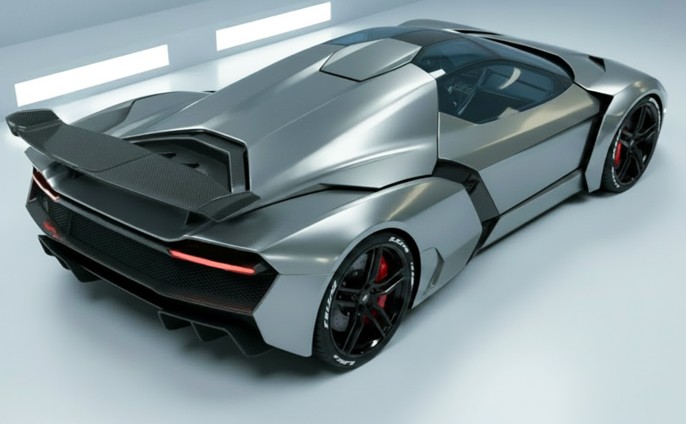
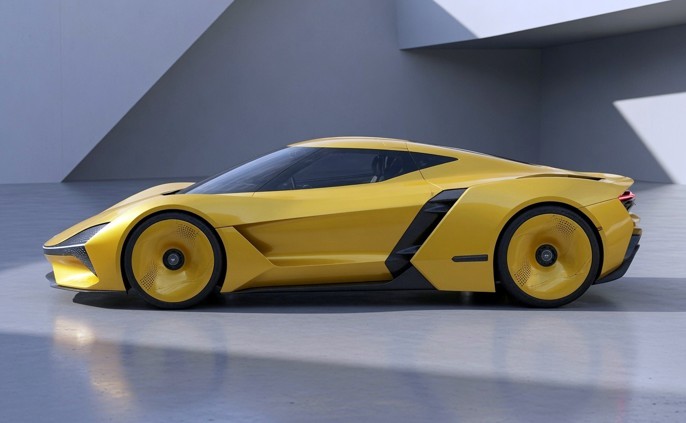
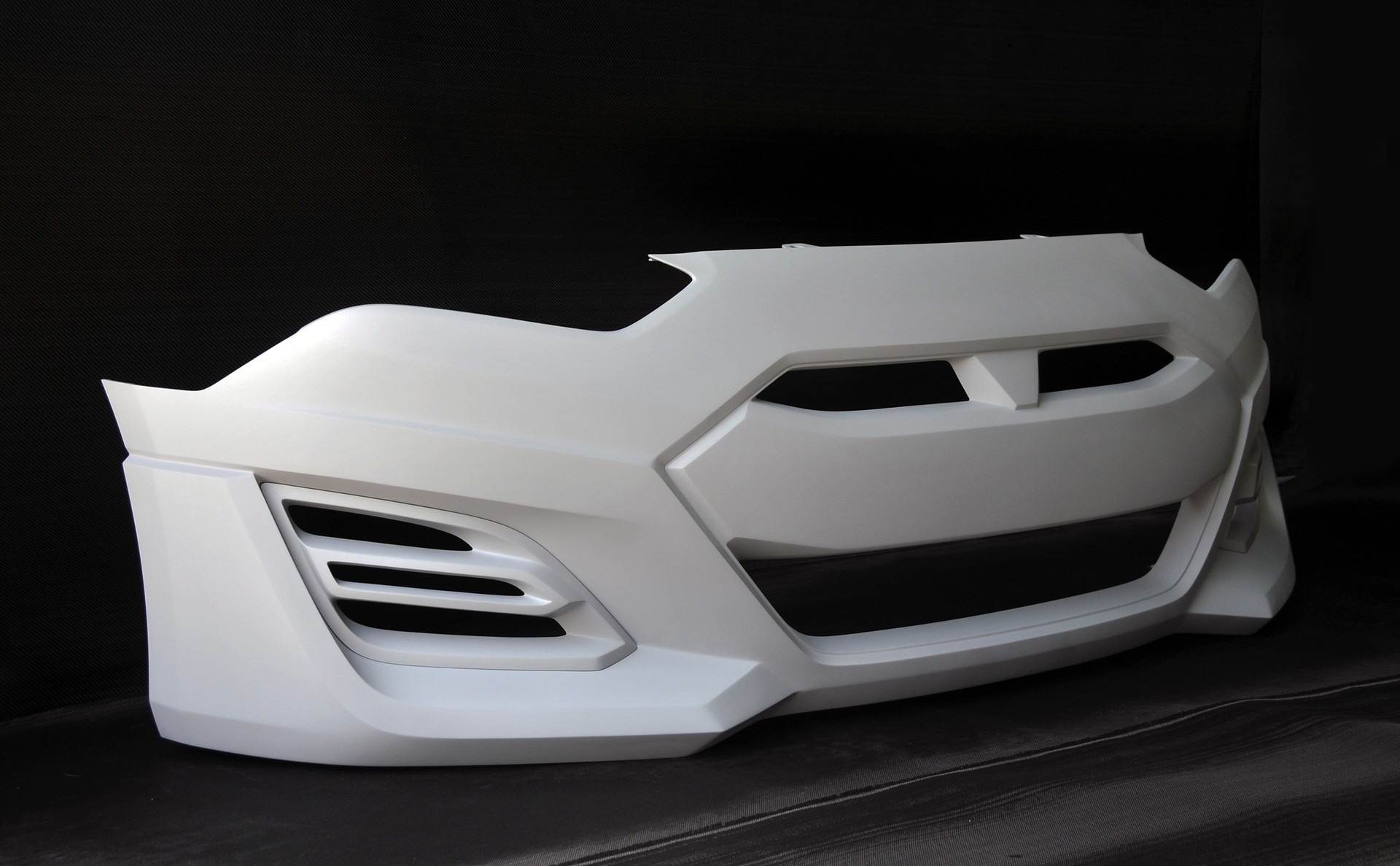
KALIBER's detailed design and hand built FRP and carbon (CFRP) body work: a designer led atelier with a portfolio spanning supercar bodies and marine craft. The skin system that lets one platform wear many bodies.Detailed design · hand laid FRP / CFRP
Founding partner: vehicle concept, powertrain system integration, and volume manufacturing at seventeen thousand vehicles a year. The layer that turns four suppliers into one vehicle.Powertrain integration · 17,000 units a year · MES / ISO discipline
Cell, control, charging, body, and vehicle. Korean, certified, and answerable to a car's safety standard. That is not a parts list. It is a supply chain.


YIMAN INTERNATIONALEverything above is a promise until it has been proven on something harder than a golf course. It has been.
A production two-wheeler at race speed, its powertrain built and tuned end to end by the team. Formula E champion Lucas di Grassi has ridden it.
A championship machine engineered on a Williams battery and BMS and a YCOM frame was tested against ours. Ours was judged the better ride.
Knockout racing above 100 km/h through Downtown Dubai, staged by the Dubai Sports Council and the Federation for Micromobility and Sport. The race machines were developed and delivered by KMC.
A dealer network and a brand built from the ground up, on feel rather than spec sheets.
Proven on two wheels, carried to four. A powertrain that survives 150 km/h is not stressed at 40, and platform thinking does not care how many wheels it stands on. The same discipline, now carrying people: CHASSIX and KALIBER, built for the United States.


A vehicle carries people. KALIBER is not the company; it is what the company can now prove it makes: a golf cart built the way a car is built.
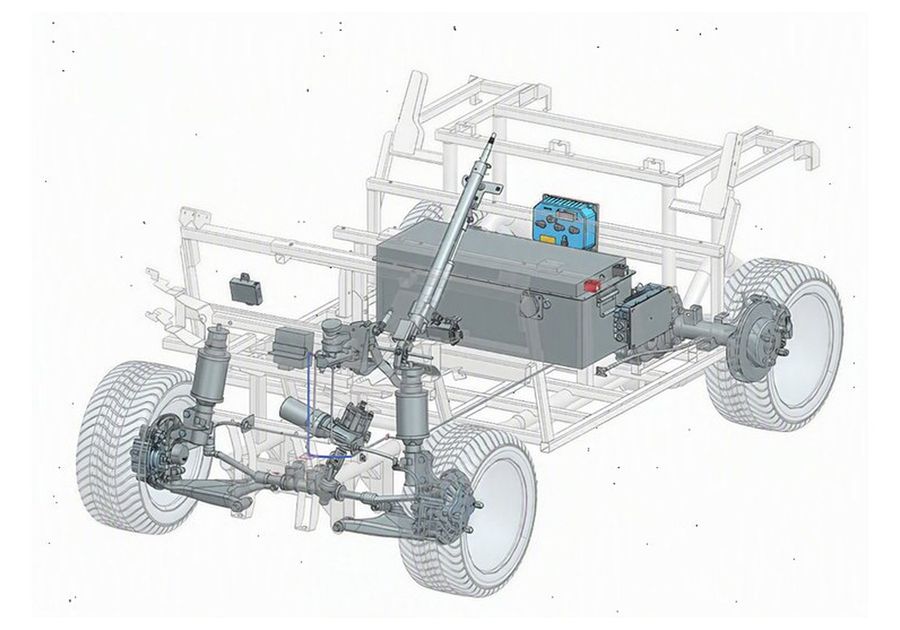
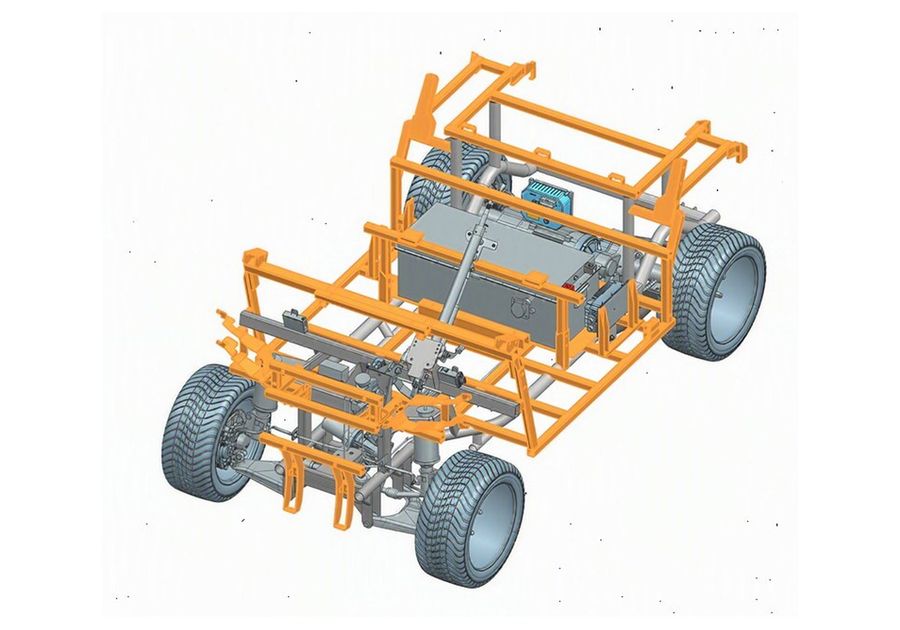
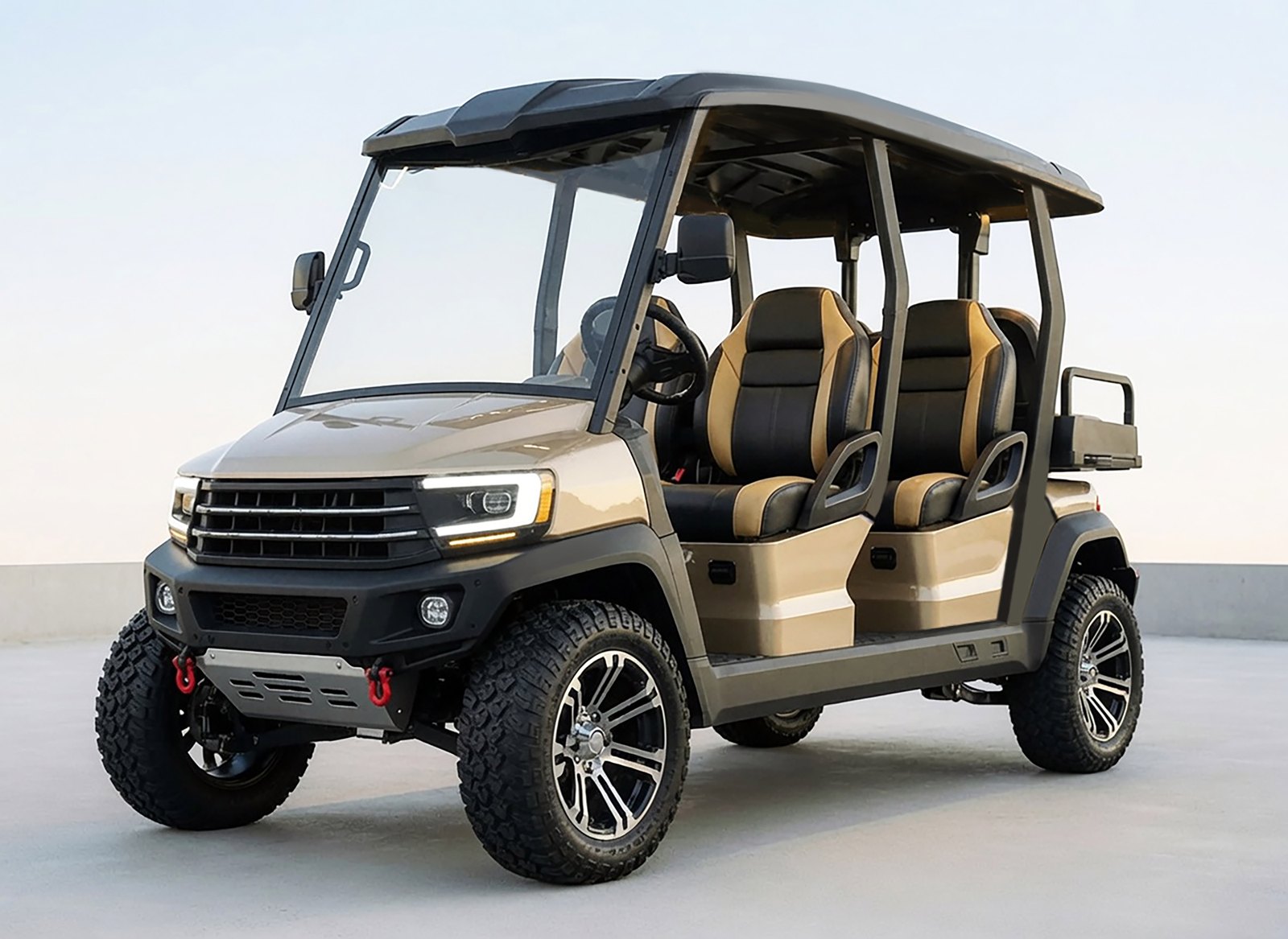
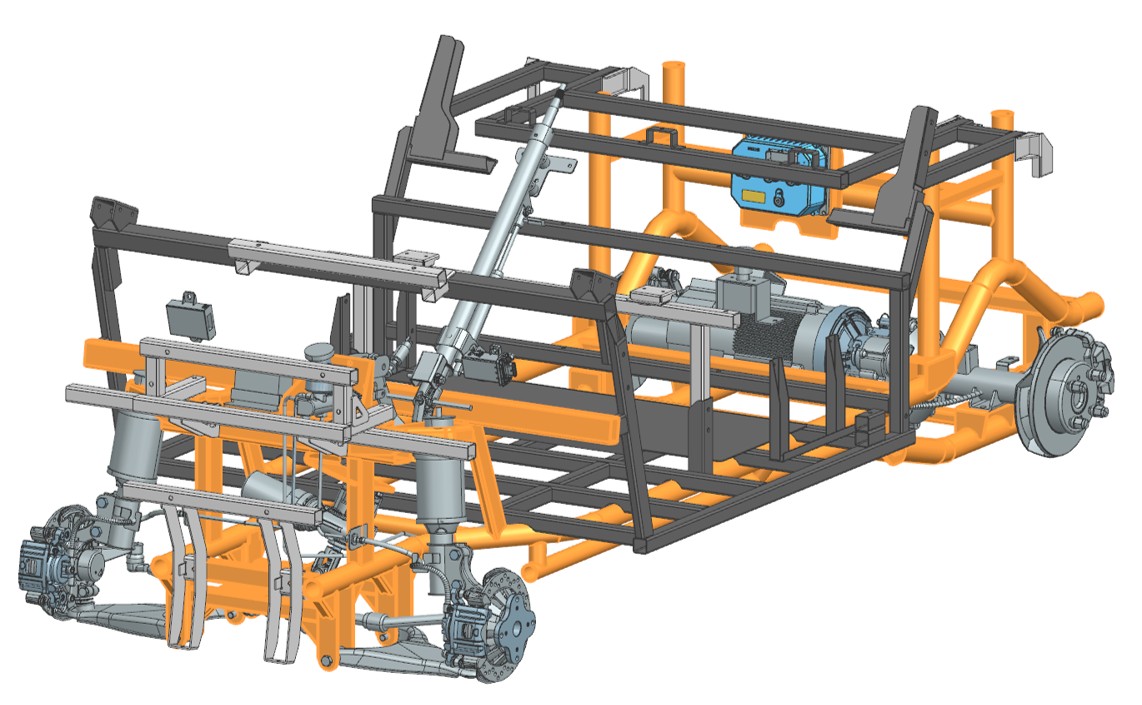
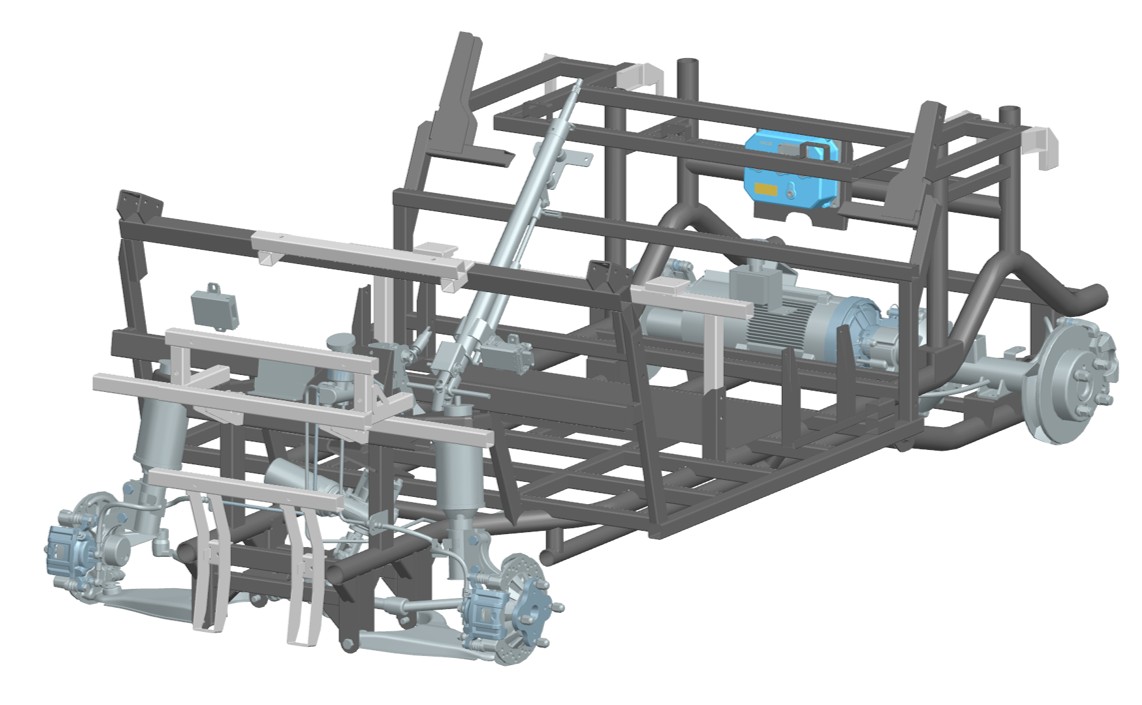
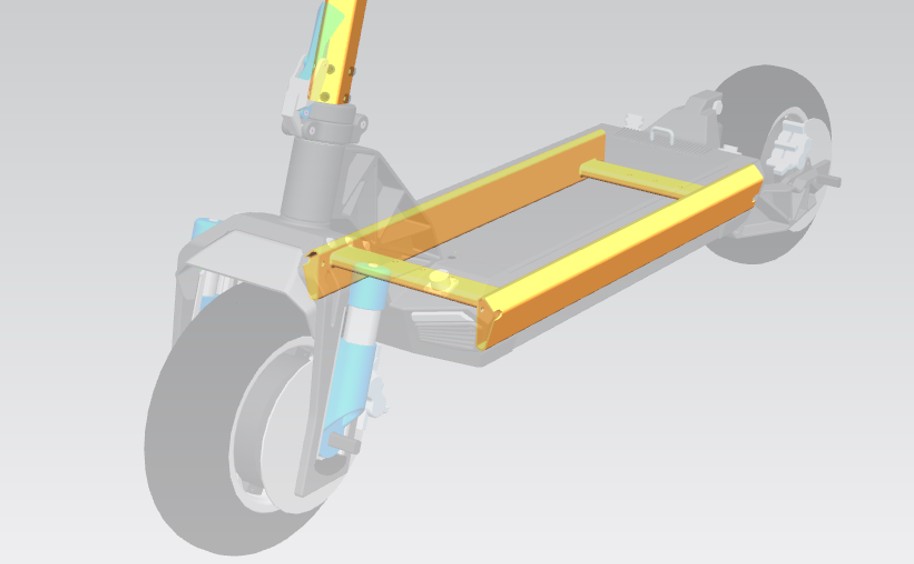
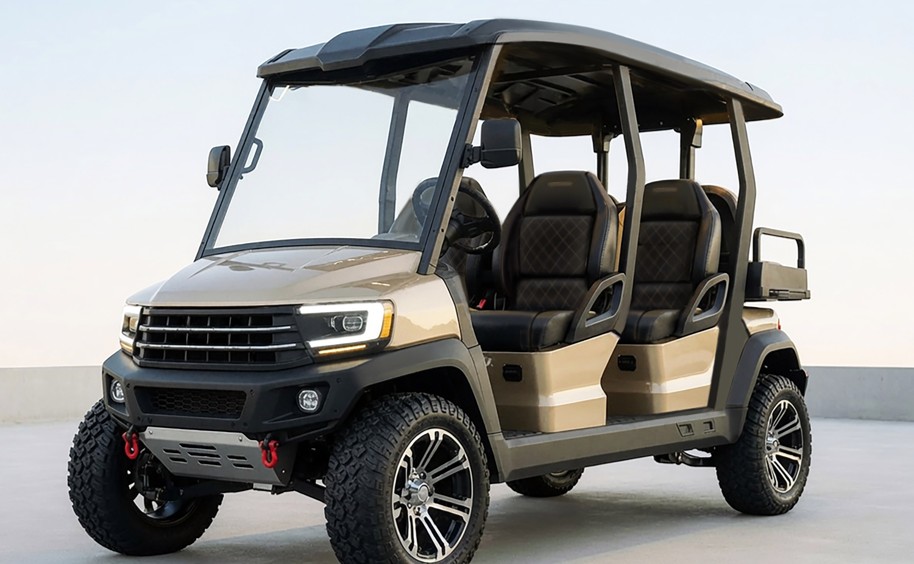
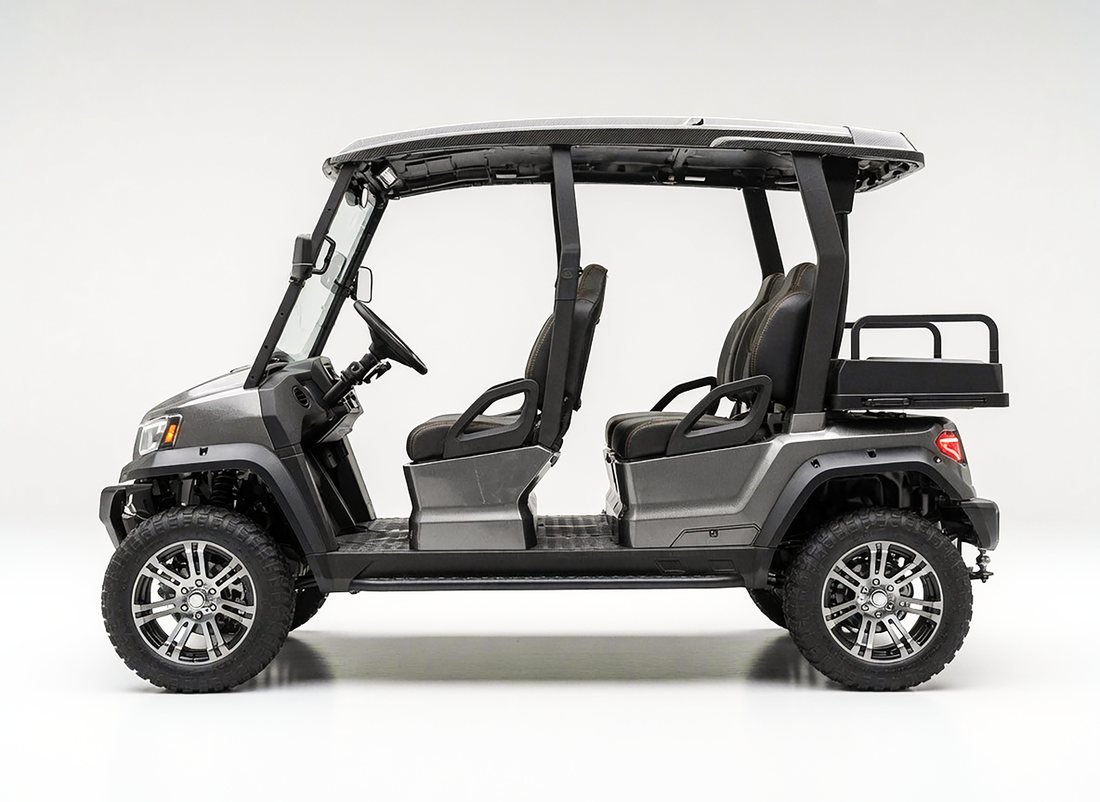
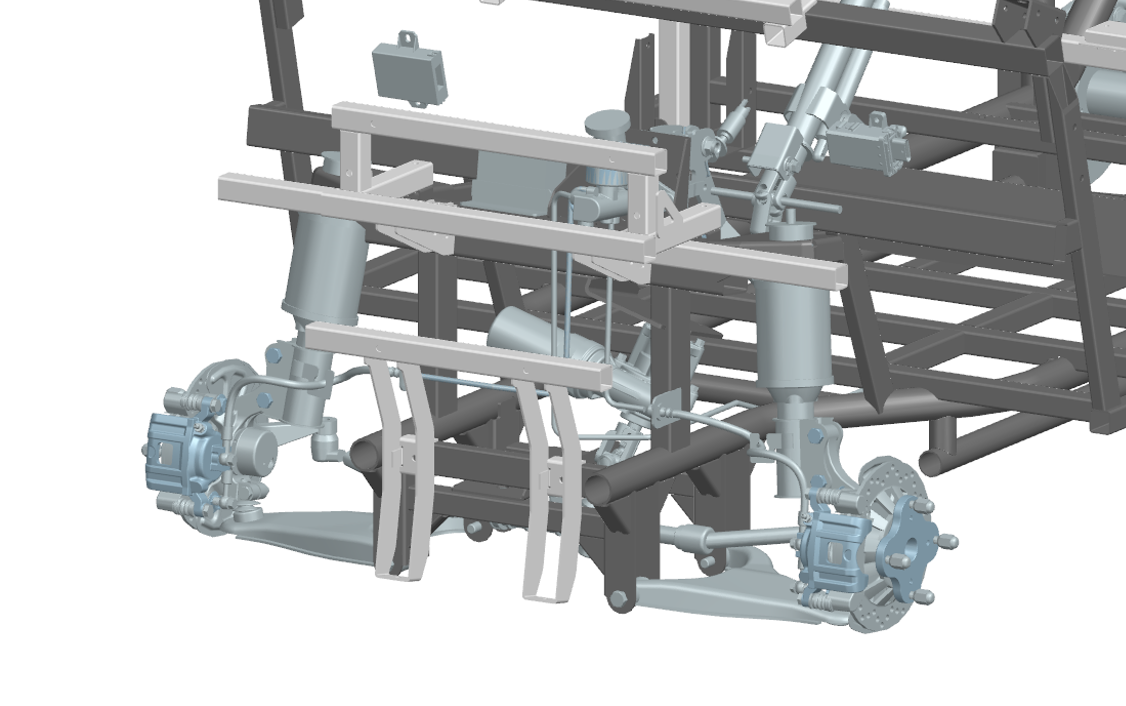
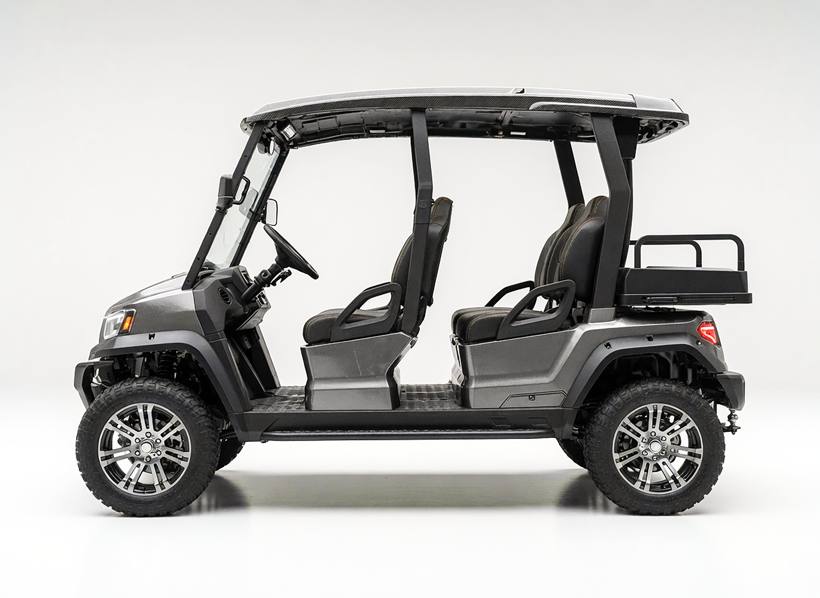
Independent double wishbone suspension, electronic power steering, a steel and aluminum composite frame. Built to be driven, not just parked at the ninth hole. A hand laid FRP composite body crowns the range.
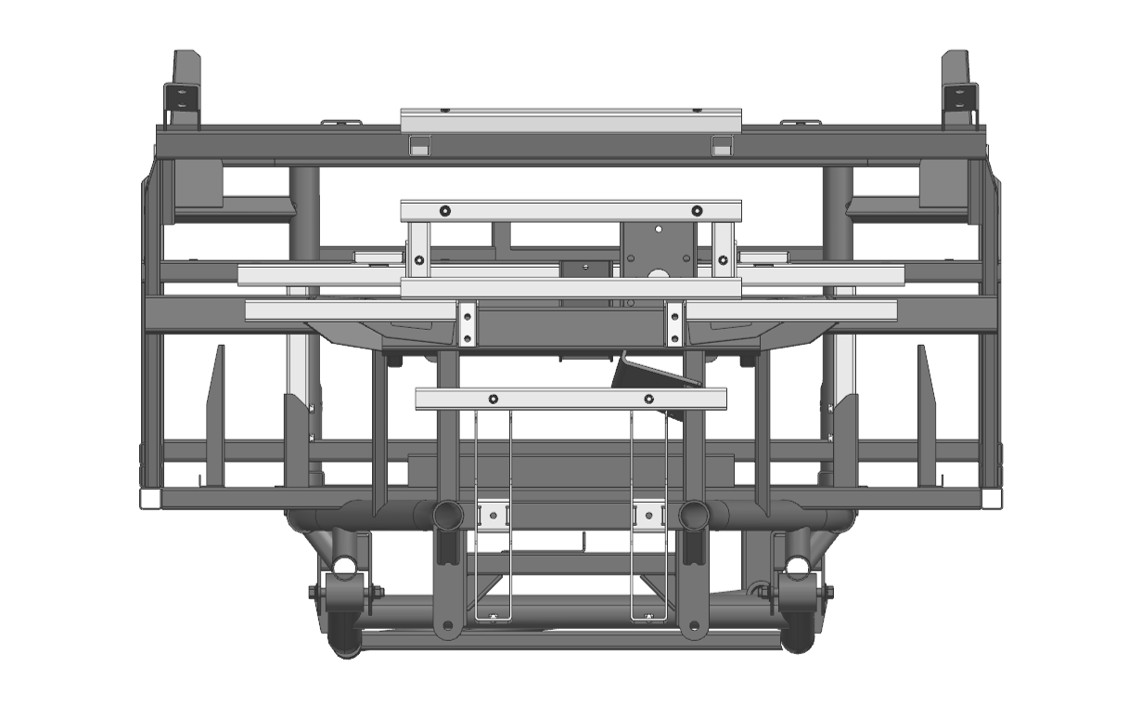
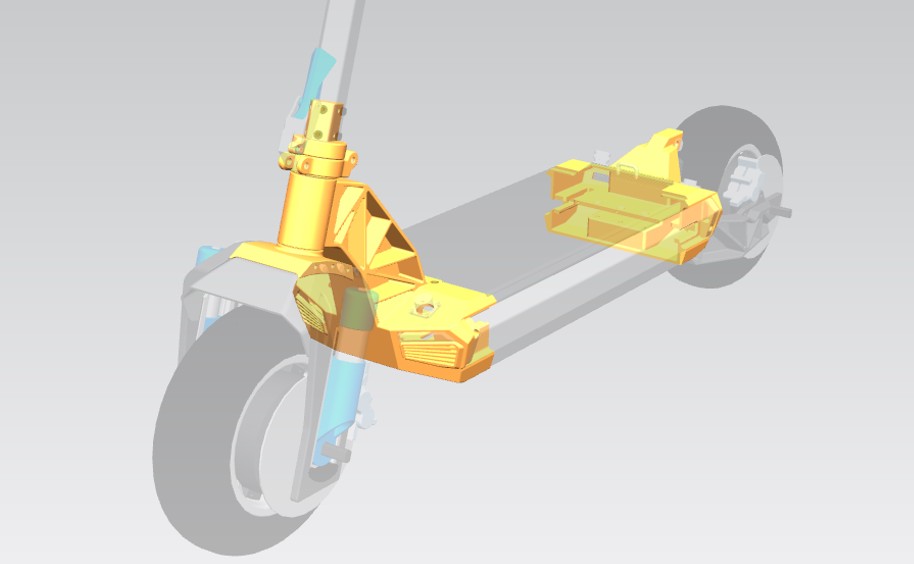
A design neutral space frame with shared hard points. One platform, many bodies: KALIBER is the first expression, not the last. Hand laid FRP tooling costs a fraction of injection molds, so a new body is a decision, not a gamble.


From two wheels to four, one frame at a time. The same hands drew every step, and CHASSIX arrived with four wheels already understood.
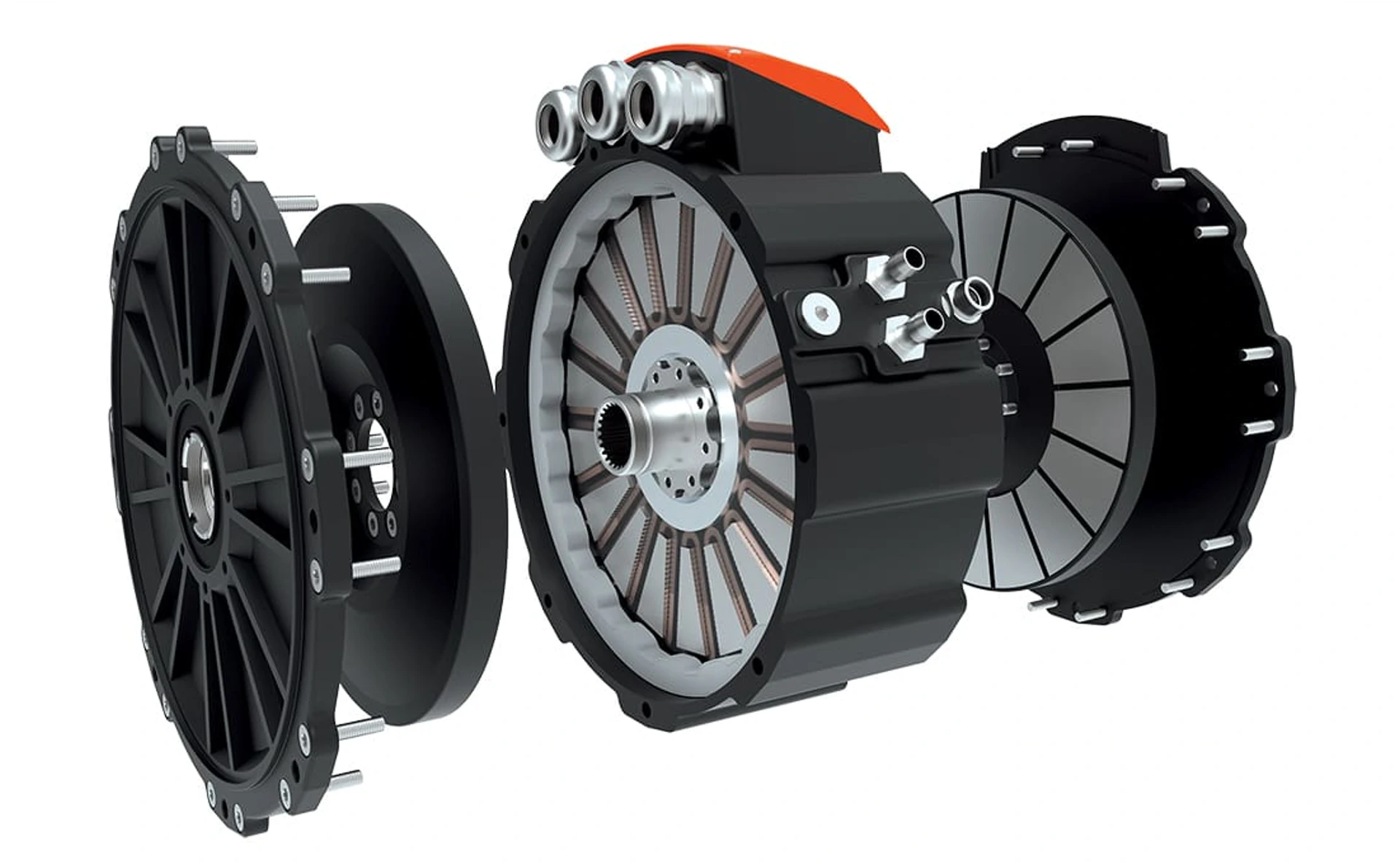
Every motor since 2016 has the same signature. Each machine raised the number a motor he built could safely hold, and CHASSIX inherits all of it as one integrated system.
The factory runs on software the team also builds: production systems first, then the AI that watches them, and now the software a KALIBER owner will actually touch.
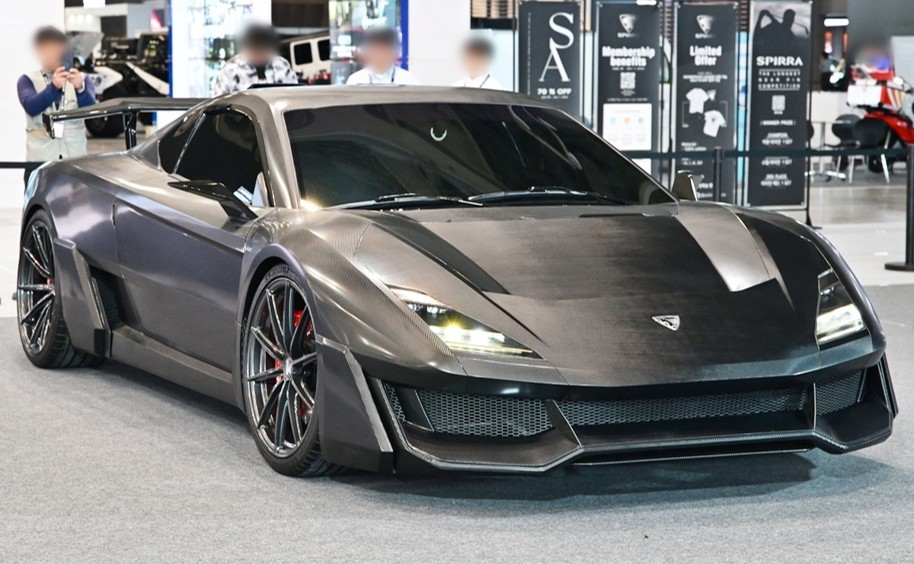
The body is drawn by an atelier, not picked from a catalog: bodywork that began on supercars and fast hulls now gives every CHASSIX platform its skin, laid by hand in FRP and carbon.
The four seat KALIBER, on the same CHASSIX frame. Same hard points, same powertrain, a longer body. One platform, many bodies is not a slogan. It is the second car.

CHASSIX automotive grade space frame, steel and aluminum composite
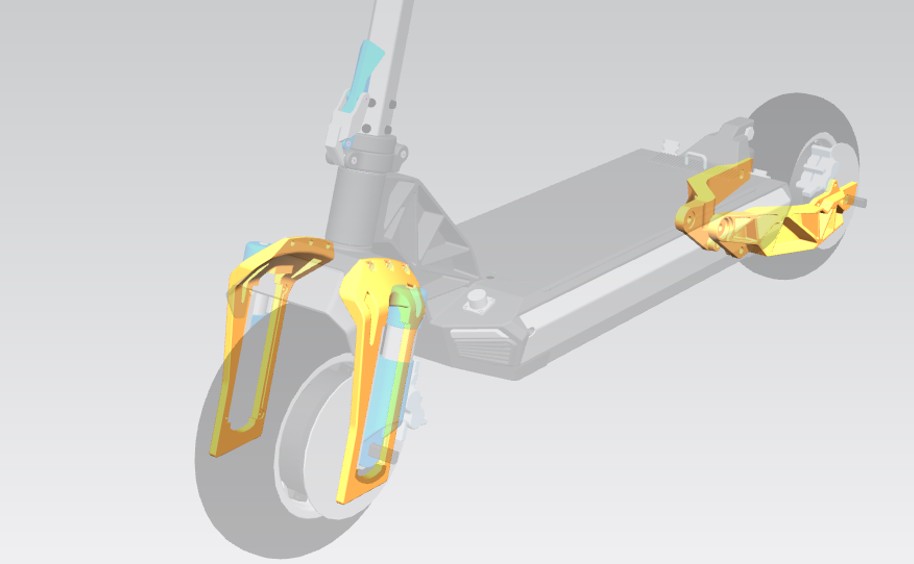
Independent double wishbone, tuned for ride quality at cart speeds
Electronic power steering with tuned response curves
System integration in house: controller, throttle mapping, power curve as one balanced system
Korean LFP pack (51.2V · 105Ah · 5,376Wh) with a KC 62619 functional safety certified BMS by HUCONN, water based cell process with no NMP and no PFAS
Detailed design and hand laid FRP and carbon (CFRP) composite work with YIMAN International: the skin system that lets one CHASSIX platform wear many bodies
J1772, Mode 3/4, OCPP, ISO 15118


Press, partnership, and dealer inquiries. For the KALIBER brand and dealer program, a dedicated site is on the way.
contact@golfandmobility.com